
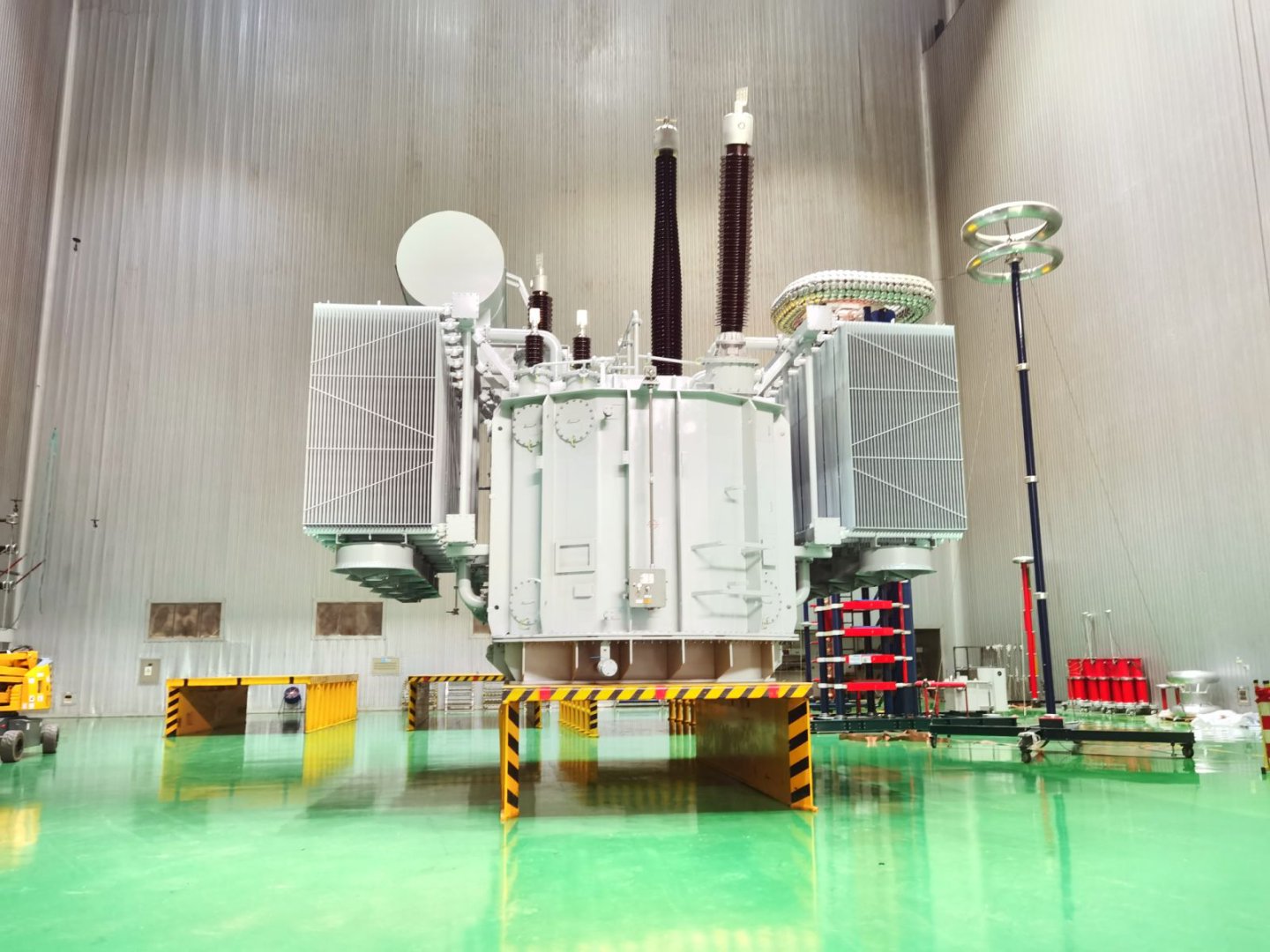
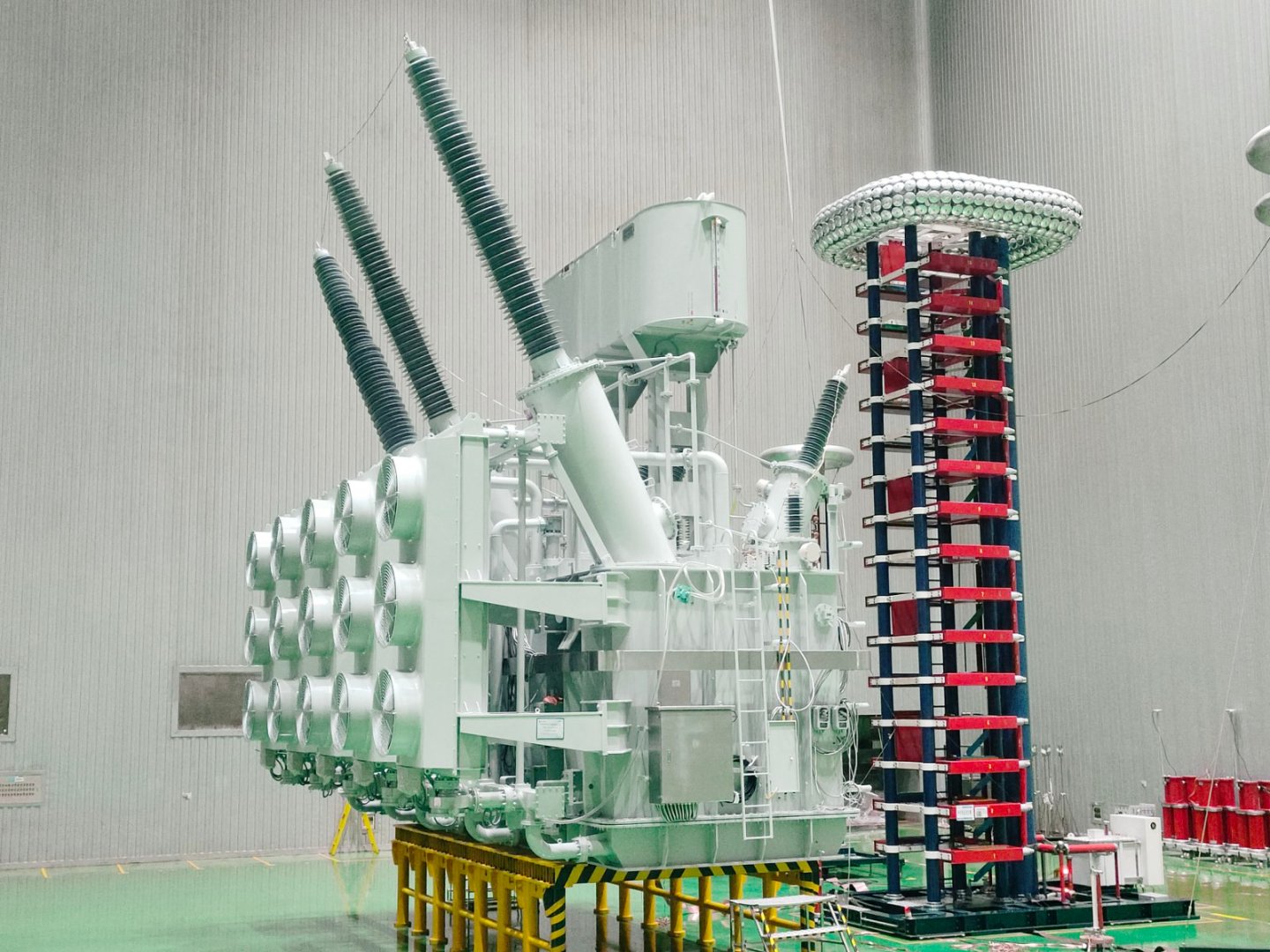
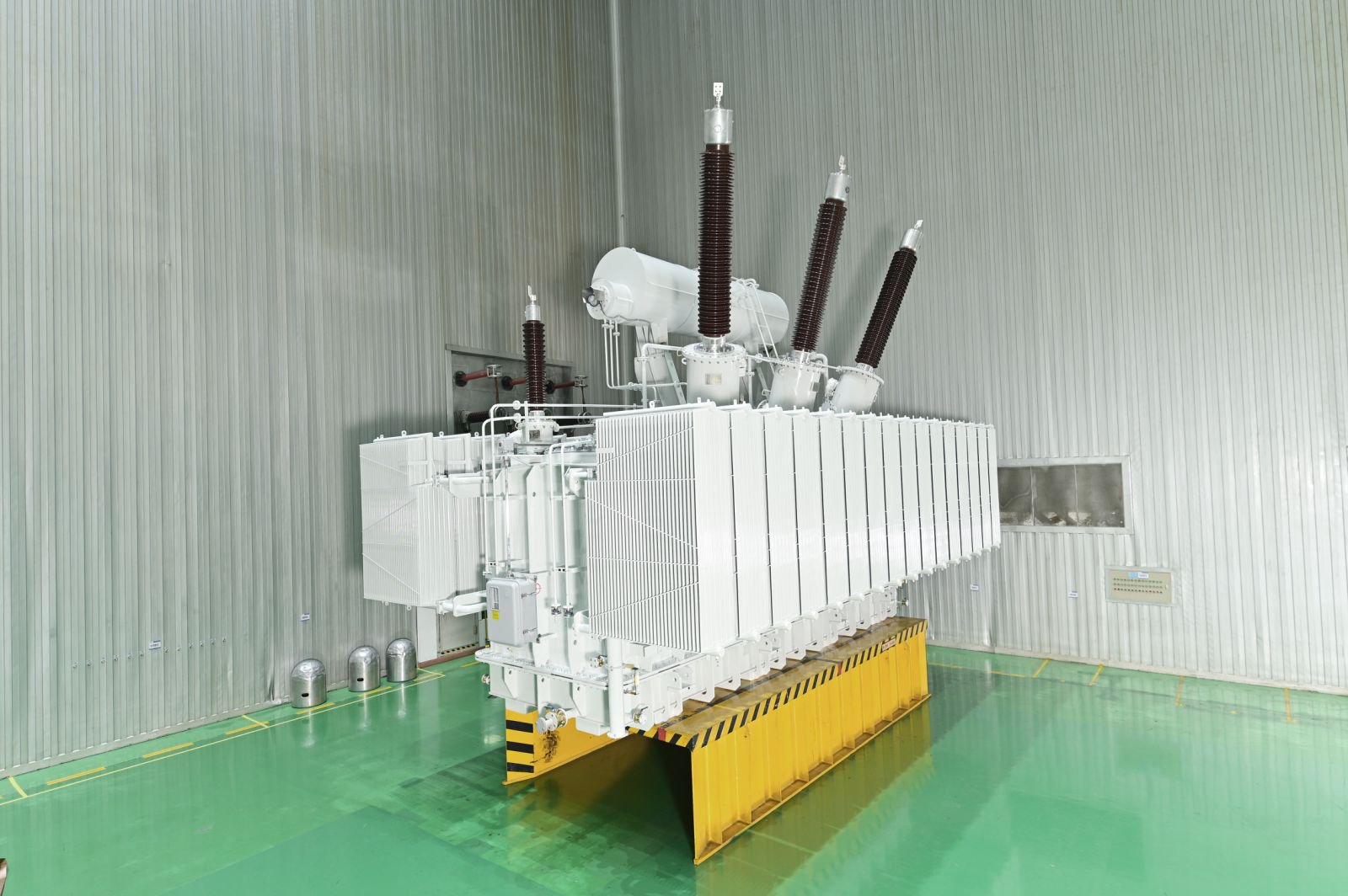
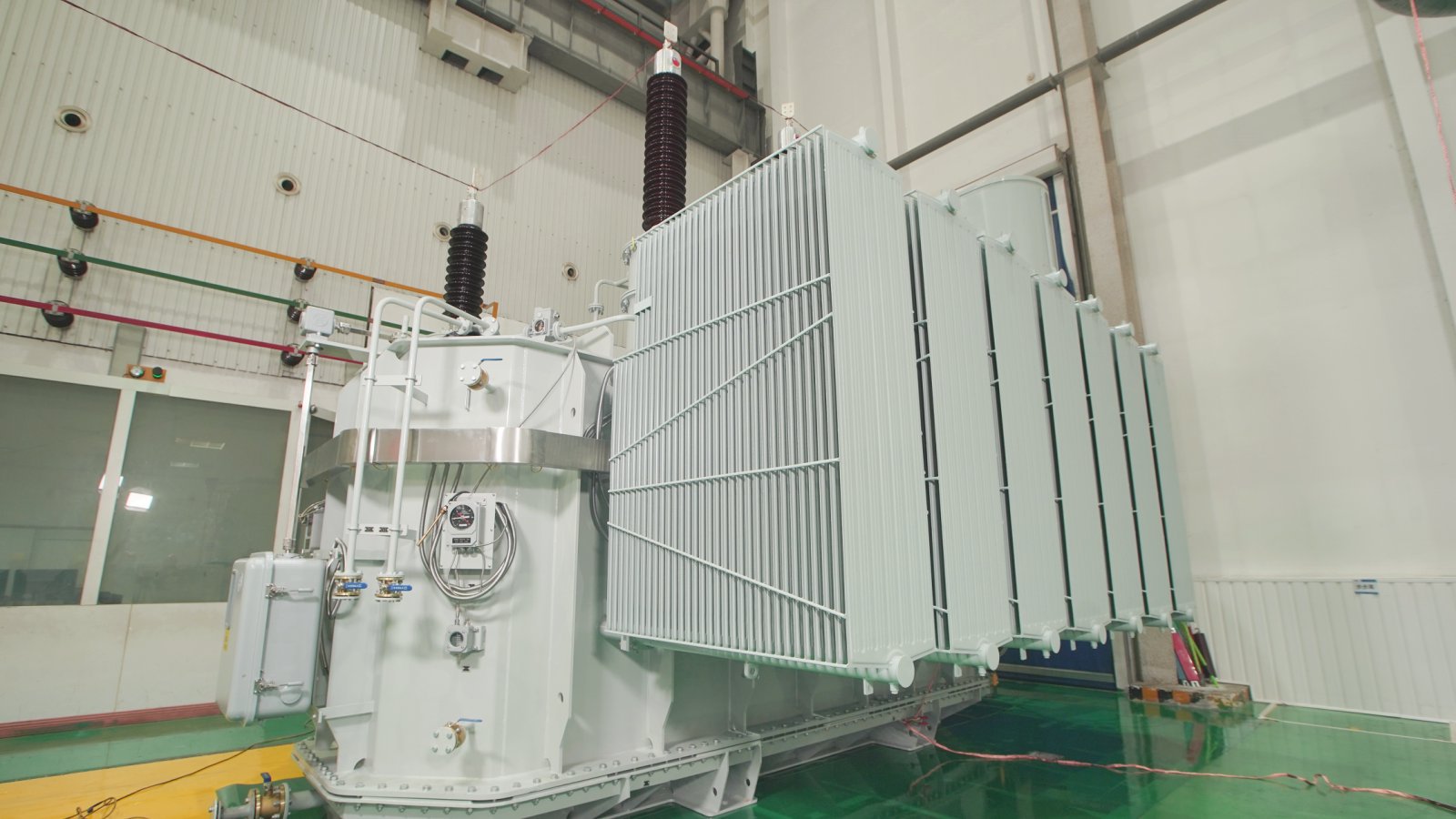
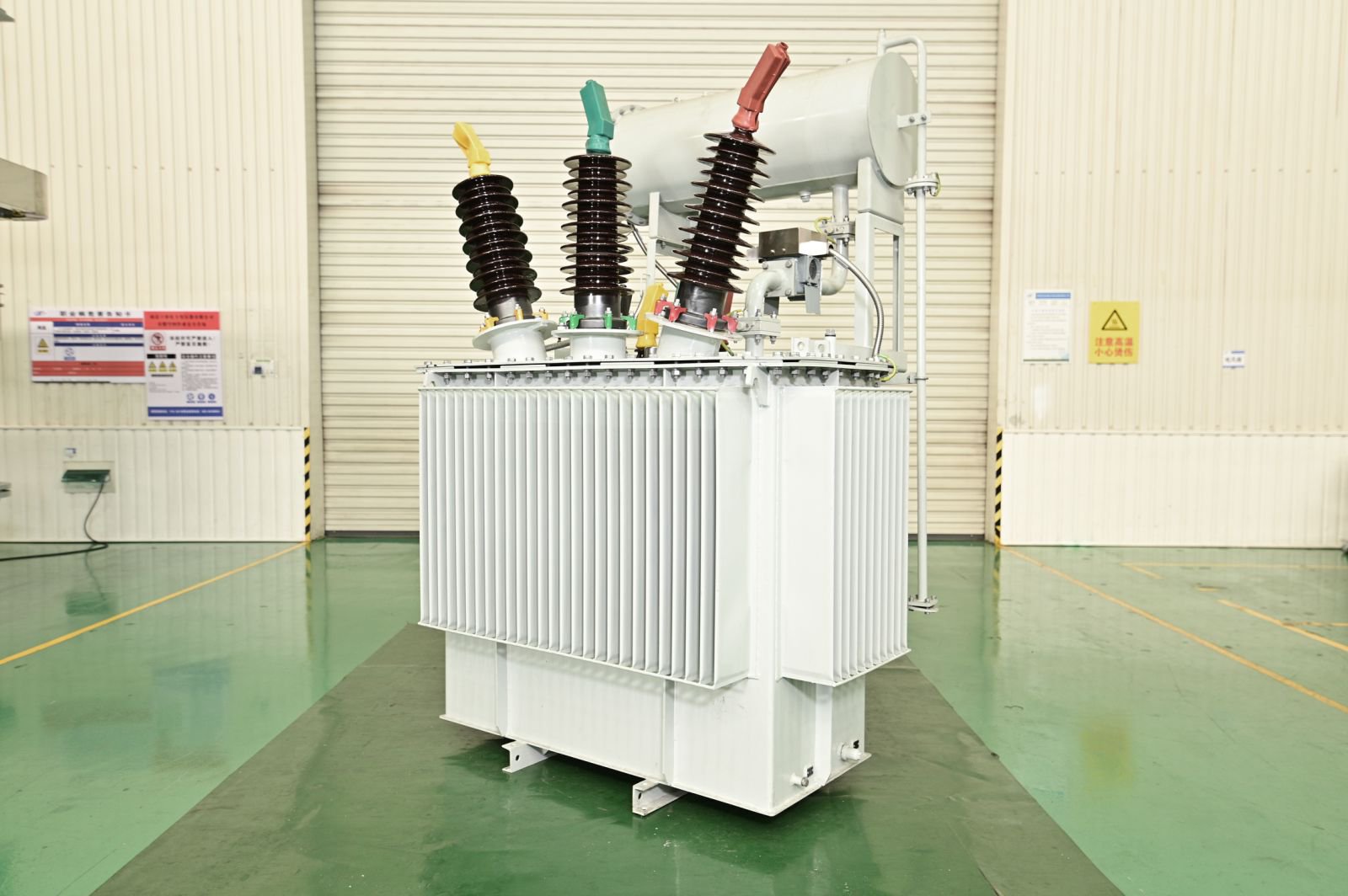

Selecting the right power transformer is an important decision for utilities, EPC contractors, industrial facilities and renewable energy developers. Both dry type power transformers and oil-immersed transformers perform voltage conversion, but their insulation systems, cooling methods, installation requirements and maintenance considerations are different.
Choosing between these two transformer types requires more than comparing their initial purchase prices. Engineers must evaluate rated capacity, voltage level, installation environment, fire protection requirements, energy losses and long-term operating costs.
This guide compares dry type and oil-immersed power transformers from an engineering and procurement perspective to help project teams identify the right solution for their electrical systems.
1. What Is the Difference Between Dry Type and Oil-Immersed Power Transformers?
The fundamental difference lies in their insulation and cooling systems.
A dry type power transformer uses air as its cooling medium, with solid insulation systems such as epoxy resin casting or vacuum pressure impregnation (VPI). It does not require an insulating liquid inside the transformer tank.
An oil-immersed transformer uses insulating oil or another specified dielectric liquid to provide electrical insulation and transfer heat from the core and windings to the cooling system.
These differences influence installation location, thermal performance, fire protection, maintenance procedures and overall project costs.
| Comparison Factor | Dry Type Power Transformer | Oil-Immersed Transformer |
|---|---|---|
| Insulation Medium | Solid insulation, such as epoxy resin or VPI insulation | Mineral oil or other specified insulating liquid |
| Cooling Medium | Air | Insulating liquid and external air |
| Common Cooling Methods | AN / AF | ONAN / ONAF / OFAF / ODAF |
| Fire Considerations | No internal insulating oil; generally lower fire and leakage risks | Requires consideration of liquid flammability, leakage and fire protection |
| Typical Installation | Indoor electrical rooms and enclosed facilities | Outdoor substations, power plants and industrial installations |
| Heat Dissipation | Depends on air circulation and ventilation | Oil circulation transfers heat to radiators or cooling systems |
| Maintenance | Visual inspection, cleaning and thermal monitoring | Oil condition testing, leakage inspection and cooling system maintenance |
| Environmental Considerations | Sensitive to dust, humidity and ventilation conditions | Requires appropriate oil containment and leakage management |
| Common Applications | Buildings, hospitals, commercial facilities and indoor distribution systems | Utility substations, power plants, renewable energy facilities and industrial power systems |
Neither technology is universally superior. The appropriate transformer depends on the electrical design, installation environment and project requirements.
2. When Should You Choose a Dry Type Power Transformer?
Dry type transformers are often preferred for indoor installations where fire safety, environmental protection and the absence of insulating liquid are important considerations.
Indoor Electrical Rooms
Dry type transformers are suitable for electrical rooms inside commercial buildings, factories and infrastructure facilities. Their oil-free design avoids the need to manage an internal insulating liquid.
Hospitals and Public Buildings
Hospitals, shopping malls, office buildings and other occupied facilities may have strict fire protection requirements. A suitable dry type transformer can simplify some fire protection and oil containment considerations.
Underground Facilities and Tunnels
Substations installed in underground spaces, metro stations and tunnels may benefit from dry type transformer designs where oil leakage and fire risks require particular attention.
Commercial and Industrial Distribution
For facilities requiring medium-voltage power distribution, dry type transformers can be installed close to electrical loads when the room layout, ventilation and protection requirements are properly designed.
Important Selection Considerations
Before specifying a dry type power transformer, engineers should evaluate:
- Required rated capacity and voltage ratio
- Natural or forced air cooling requirements
- Ventilation and heat dissipation conditions
- Ambient temperature, humidity and dust exposure
- Enclosure protection requirements
- Fire performance and applicable installation regulations
- Noise limits and available installation space
Dry type transformers are not automatically suitable for every indoor or outdoor environment. Proper enclosure design and environmental protection remain essential.
3. When Should You Choose an Oil-Immersed Transformer?
Oil-immersed transformers are widely used in power transmission, utility substations, renewable energy projects and large industrial facilities. Their liquid insulation and cooling systems make them suitable for a broad range of voltage and capacity requirements.
High-Voltage Substations
For high-voltage and extra-high-voltage transmission systems, oil-immersed power transformers are widely applied to step voltage levels up or down between power generation, transmission and distribution networks.
Their cooling systems and insulation structures are designed according to the electrical and thermal requirements of each project.
Power Plants and Utility Networks
Power generation facilities and utility substations require transformers capable of continuous operation under defined electrical loads. Oil-immersed designs are commonly used in generator step-up and grid interconnection applications.
Solar and Wind Power Projects
Renewable energy projects require transformer solutions that match generator output, grid connection voltage, capacity and site conditions.
Oil-immersed transformers are commonly specified for outdoor renewable energy substations and grid connection systems.
Large Industrial Facilities
Steel plants, mining facilities, chemical plants and large factories may require high-capacity transformers to support continuous industrial production and demanding electrical loads.
Important Selection Considerations
When selecting an oil-immersed transformer, engineers should confirm:
- Rated capacity and voltage ratio
- Winding configuration and vector group
- Cooling method and rated capacity at each cooling stage
- No-load and load losses
- Short-circuit impedance and withstand capability
- Insulation level and temperature rise
- Oil type, tank construction and sealing requirements
- Radiator arrangement and cooling accessories
- Oil containment and fire protection measures
For large power transformer projects, these parameters should be confirmed through the technical specification and engineering review before manufacturing.
4. Dry Type vs Oil-Immersed Transformer: Key Engineering Considerations
Beyond insulation and cooling methods, several technical and commercial factors influence the final transformer selection.
Rated Capacity and Voltage Level
Transformer capacity and voltage level should be determined by the electrical load, network configuration and future expansion requirements.
Dry type transformers are commonly used in indoor distribution applications, while oil-immersed transformers are widely applied in medium-, high- and extra-high-voltage power systems.
However, the choice should not be based on voltage level alone. The actual product design, insulation system and manufacturer’s rated capabilities must meet the project specifications.
Cooling Performance and Temperature Rise
Transformer losses generate heat in the core and windings. The cooling system must remove this heat to maintain the required operating temperature.
Common dry type cooling arrangements include:
- AN (Air Natural): Natural air circulation provides cooling.
- AF (Air Forced): Fans provide additional airflow to improve heat dissipation.
Common oil-immersed cooling arrangements include:
- ONAN (Oil Natural Air Natural): Natural oil circulation and natural air cooling.
- ONAF (Oil Natural Air Forced): Natural oil circulation with forced air cooling.
- OFAF (Oil Forced Air Forced): Forced oil circulation and forced air cooling.
- ODAF (Oil Directed Air Forced): Directed oil circulation combined with forced air cooling.
The appropriate cooling method depends on transformer capacity, load profile, ambient temperature and required temperature-rise limits.
Fire Safety and Environmental Protection
Dry type transformers do not contain internal insulating oil, which can simplify fire protection planning in certain buildings.
Oil-immersed transformers require suitable provisions for liquid containment, leakage management and fire protection according to the installation environment and applicable regulations.
The selection should consider local electrical codes, building requirements and project-specific safety assessments.
Maintenance and Operating Requirements
Dry type transformers generally require inspection of insulation surfaces, ventilation passages, electrical connections and temperature monitoring systems.
Oil-immersed transformers require additional attention to oil quality, moisture content, sealing conditions, oil leakage, radiators and cooling equipment.
The maintenance plan should be based on the transformer design, operating environment and manufacturer’s recommendations.
Initial Cost and Total Cost of Ownership
The purchase price is only one part of the transformer investment.
A complete cost evaluation should consider:
- Transformer procurement cost
- Transportation and installation
- Electrical room or substation construction
- Fire protection and oil containment
- No-load and load losses
- Auxiliary cooling power consumption
- Inspection and maintenance expenses
- Expected operating life and future replacement costs
A dry type transformer may involve a higher equipment purchase price in some comparable applications, while an oil-immersed transformer may require additional civil works and oil management provisions.
The most economical choice should be determined through project-specific lifecycle cost analysis rather than a general price comparison.
5. Which Transformer Is Better for Different Applications?
The following guide helps project engineers and procurement teams identify a suitable starting point for equipment selection.
| Project Application | Commonly Considered Transformer Type | Main Selection Reason |
|---|---|---|
| Hospitals and Healthcare Buildings | Dry Type | Fire protection and indoor installation considerations |
| Shopping Malls and Office Buildings | Dry Type | Indoor power distribution and oil-free design |
| Underground Substations and Tunnels | Dry Type | Reduced internal liquid leakage risk |
| Industrial Factories | Dry Type or Oil-Immersed | Depends on capacity, installation location and load requirements |
| Utility Substations | Oil-Immersed | Suitable for high-voltage and large-capacity applications |
| Power Plants | Oil-Immersed | Commonly used for generator step-up and auxiliary power systems |
| Solar and Wind Farms | Oil-Immersed | Widely used in outdoor grid connection and step-up applications |
| High-Voltage Transmission Networks | Oil-Immersed | Established design for high-voltage and extra-high-voltage systems |
These are general selection guidelines. Final transformer specifications must be confirmed through electrical system studies, installation requirements and applicable standards.
6. What Should Buyers Include in a Transformer RFQ?
For transformer manufacturers, incomplete technical information can delay engineering review, quotation and production planning.
Whether you are sourcing a dry type power transformer or an oil-immersed transformer, prepare the following information before requesting a quotation.
| RFQ Information | Details to Provide | Why It Matters |
|---|---|---|
| Transformer Type | Dry type or oil-immersed, if already specified | Defines the insulation and cooling design |
| Rated Capacity | kVA or MVA | Determines the required power rating |
| Primary Voltage | Rated input voltage | Defines the high-voltage winding requirements |
| Secondary Voltage | Rated output voltage | Determines the voltage conversion ratio |
| Frequency | 50Hz or 60Hz | Ensures compatibility with the power system |
| Phase | Single-phase or three-phase | Determines the electrical configuration |
| Cooling Method | AN / AF or ONAN / ONAF and other applicable methods | Determines thermal performance and rated capacity |
| Vector Group | Required winding connection and phase displacement | Ensures compatibility with the electrical network |
| Impedance | Required percentage impedance | Supports fault current and protection coordination |
| Tap Changer | On-load or off-circuit tap changer | Defines voltage regulation requirements |
| Installation Environment | Indoor, outdoor, altitude, temperature and humidity | Determines environmental and enclosure requirements |
| Applicable Standards | IEC, IEEE or other project-specific requirements | Establishes design and testing criteria |
| Project Quantity | Number of units and delivery schedule | Supports production and project planning |
For high-voltage and large-capacity projects, buyers should also provide the single-line diagram, load profile, short-circuit data, insulation coordination requirements and relevant substation specifications where available.
7. Transformer Manufacturing and Engineering Capabilities at Liye Electric
Liye Electric is a China-based power transformer manufacturer specializing in research and development, manufacturing and engineering services for transformers covering voltage levels from 10kV to 750kV.
Its manufacturing operations cover core processing, winding production, insulation manufacturing, oil tank fabrication, assembly and electrical testing.
The company provides transformer solutions for:
- Power transmission and distribution networks
- High-voltage and extra-high-voltage substations
- Solar and wind power projects
- Energy storage and industrial power facilities
- Specialized industrial transformer applications
Liye‘s publicly presented product portfolio includes 110kV, 220kV, 330kV and 500kV power transformers, as well as special transformer solutions such as rectifier transformers, electric furnace transformers and split transformers.
For projects requiring transformer selection and engineering support, the technical team can evaluate rated capacity, voltage ratio, cooling configuration, winding design, impedance, insulation requirements and installation conditions.
For dry type transformer requirements, buyers should confirm the available product configuration and manufacturing scope with Liye’s engineering team before specifying the equipment.
8. Frequently Asked Questions
Q1: What Is the Main Difference Between Dry Type and Oil-Immersed Transformers?
The main difference is the insulation and cooling medium. Dry type transformers use solid insulation and air cooling, while oil-immersed transformers use insulating liquid for both electrical insulation and heat transfer.
Q2: Which Transformer Is Better for Indoor Installation?
Dry type transformers are commonly preferred for indoor installations, especially in occupied buildings and locations with strict fire protection requirements. However, oil-immersed units may also be installed indoors when suitable fire protection, containment and ventilation provisions are provided.
Q3: Are Oil-Immersed Transformers More Efficient Than Dry Type Transformers?
Neither type is universally more efficient. Actual efficiency depends on rated capacity, core and winding design, material selection, operating load and guaranteed no-load and load losses. Buyers should compare guaranteed loss data for the proposed transformer ratings.
Q4: Which Transformer Requires More Maintenance?
Oil-immersed transformers generally require additional oil condition monitoring and leakage inspection. Dry type transformers do not require oil testing but still need regular inspection of insulation, cooling passages, electrical connections and temperature monitoring systems.
Q5: Can Oil-Immersed Transformers Be Used for Renewable Energy Projects?
Yes. Oil-immersed transformers are widely used in solar farms, wind farms and energy storage projects for voltage conversion and grid interconnection. Their capacity, cooling system and insulation design must match the project requirements.
Q6: Which Transformer Is More Suitable for High-Voltage Applications?
Oil-immersed transformers are widely used in high-voltage and extra-high-voltage transmission systems. The final selection depends on rated voltage, capacity, insulation design, cooling requirements and manufacturer capabilities.
Q7: What Standards Apply to Dry Type and Oil-Immersed Transformers?
IEC 60076 provides general requirements for power transformers, while IEC 60076-11 specifically addresses dry type power transformers. Other applicable parts cover temperature rise, insulation, short-circuit withstand and loading requirements. IEEE standards may also apply depending on the destination market and project specification.
Q8: How Do I Choose the Right Transformer Manufacturer?
Evaluate the manufacturer’s engineering capability, voltage and capacity range, production facilities, quality control procedures, testing capabilities, project references and ability to meet the technical specification. Request technical documents and test records for the proposed transformer model before placing an order.
Conclusion: Select a Transformer Based on Project Requirements
Choosing between a dry type power transformer and an oil-immersed transformer requires a comprehensive assessment of installation environment, rated capacity, voltage level, cooling performance, fire safety, maintenance and lifecycle costs.
Dry type transformers are commonly considered for indoor installations where oil-free construction and fire protection are priorities. Oil-immersed transformers remain widely used in utility substations, power plants, renewable energy projects and high-voltage transmission networks.
For large-scale power infrastructure and industrial applications, transformer selection should begin with a complete technical specification and an engineering review.
Liye Electric provides power transformer solutions for high-voltage transmission, substations, renewable energy and industrial projects. Contact our engineering team with your voltage, capacity, cooling and installation requirements to discuss a suitable transformer configuration.