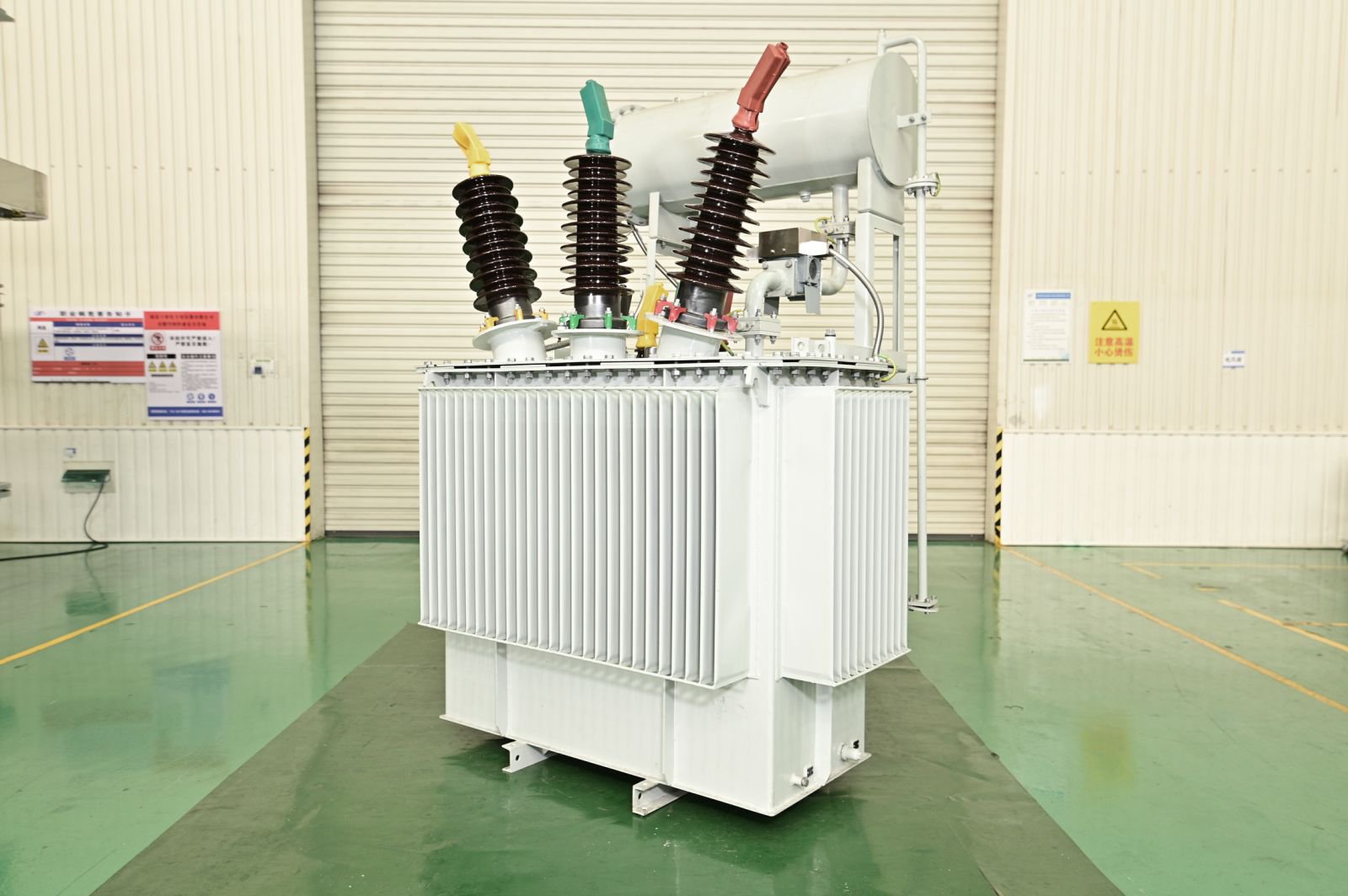
| Parameter |
Unit |
Value |
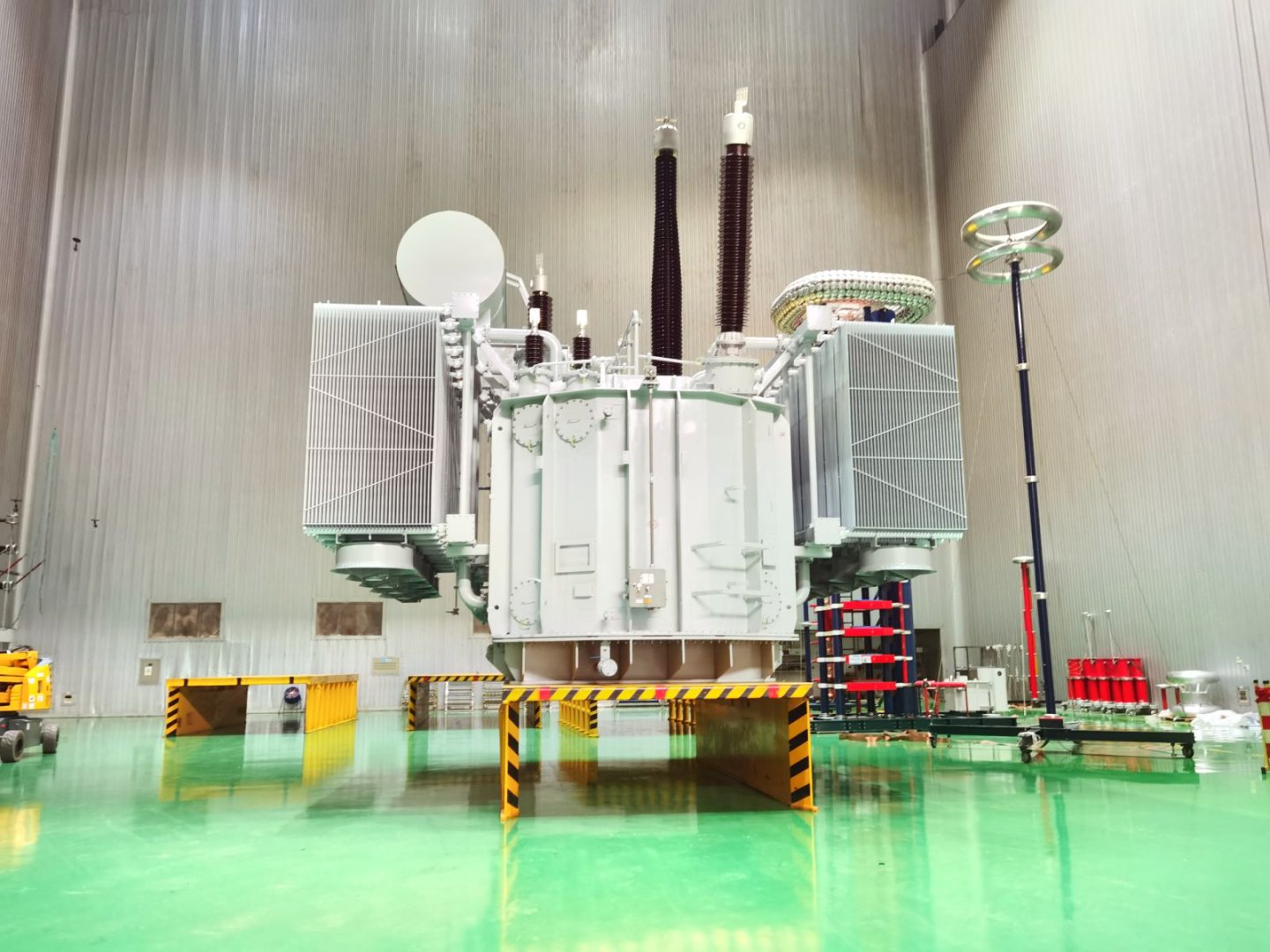
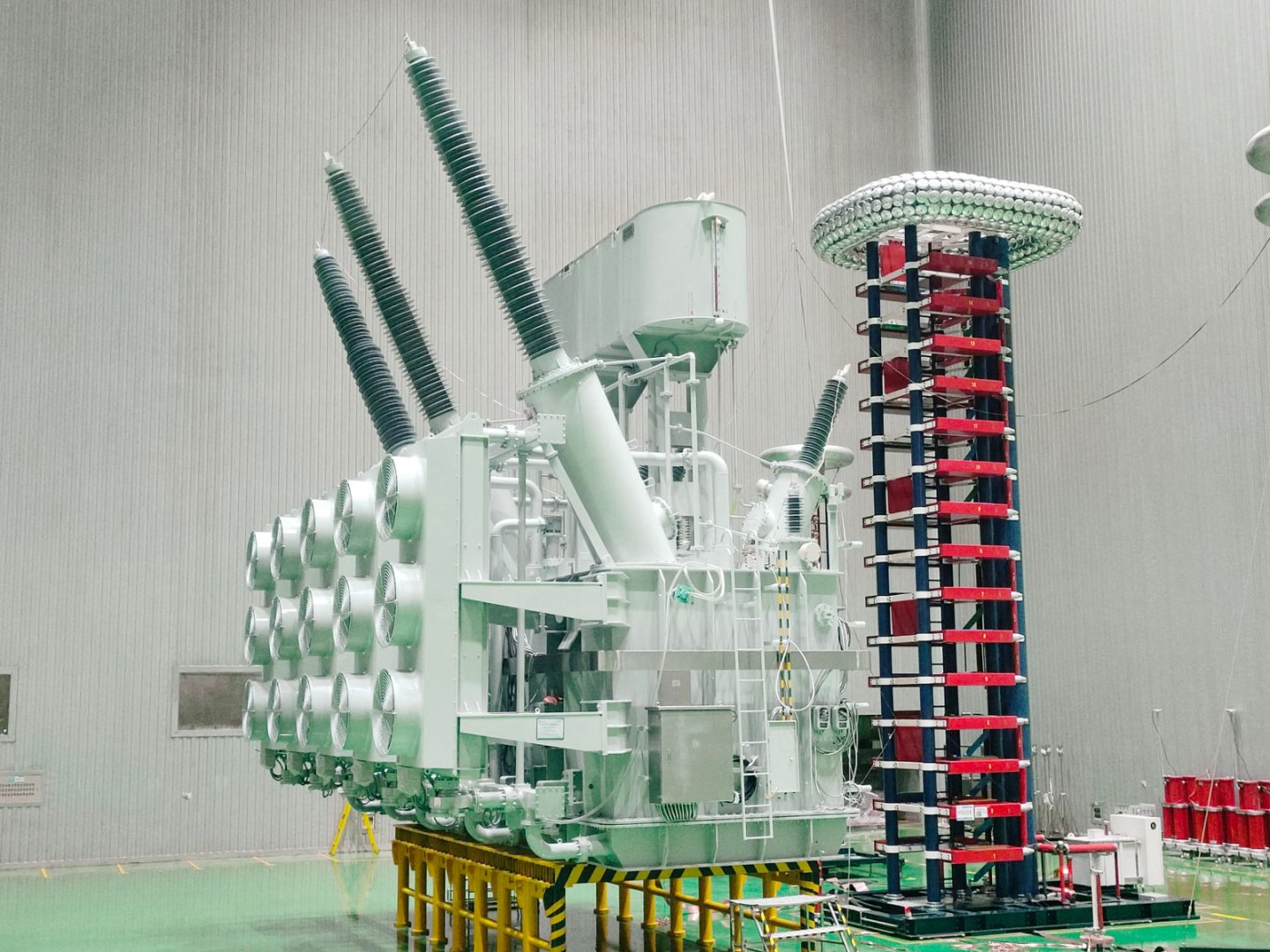
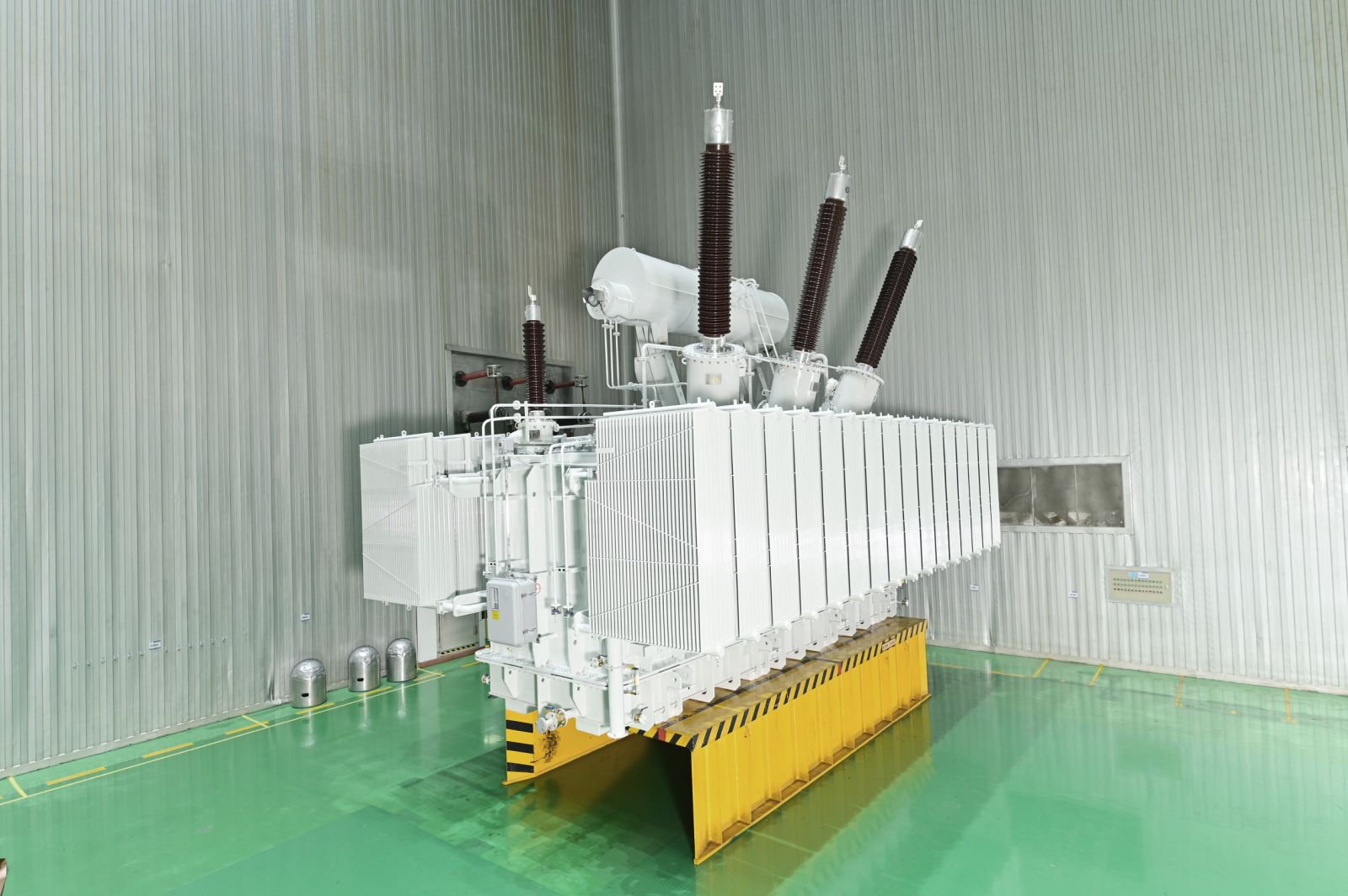
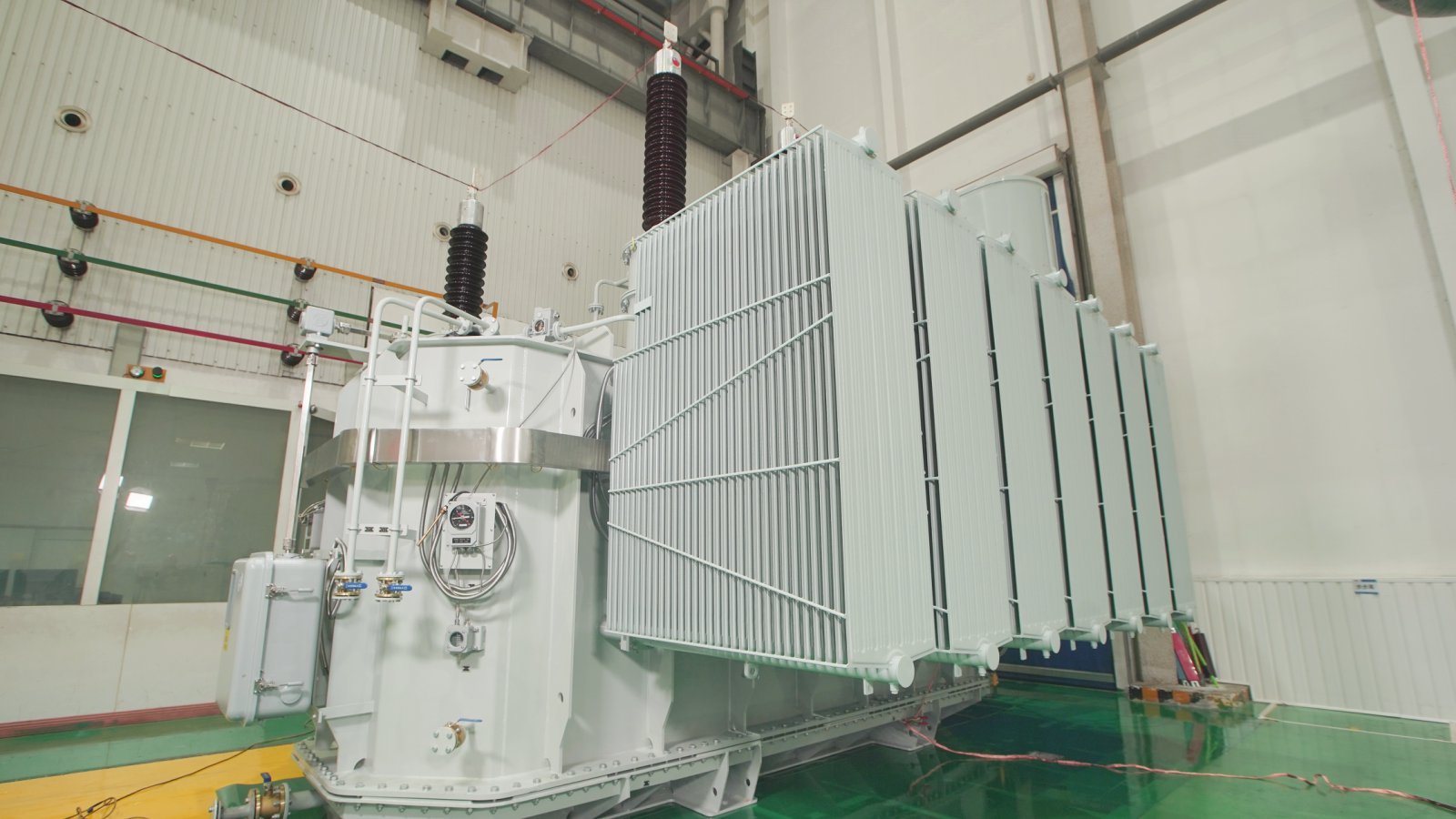
| Product Model |
– |
SFFZ20-300000/220 |
| Rated Capacity |
kVA |
300,000 (165/165 MVA split) |
| Rated Voltage Ratio |
kV |
230±8×1.25%/37-37 |
| Short-Circuit Impedance |
% |
U12=14, U13=14, U23≥24 (based on 165 MVA) |
| Rated Frequency |
Hz |
50 |
| Vector Group |
– |
YNd11-d11 |
| Insulation Level |
kV |
HV: LI950/AC395; LV: LI200/AC85 |
| Cooling Method |
– |
ONAF |
| No-Load Loss |
kW |
≤118 |
| Load Loss |
kW |
≤788 (at 75°C) |
| Temperature Rise Limit |
K |
Top oil: 55; Winding average: 65; Winding hot-spot: 78 |
| Noise (Sound Pressure Level) |
dB(A) |
≤65 |
How Does a Split Winding Transformer Work?
The defining feature of a split transformer is its secondary winding structure.
Instead of using one complete secondary winding, the low-voltage side is divided into two or more independent winding branches. These branches have no direct electrical connection with each other but are magnetically coupled through the transformer core.
For example, this 220kV split transformer uses one high-voltage side and two 37kV secondary branches.
This structure provides several important advantages:
● Independent power supply to separate downstream circuits
● Higher impedance between split secondary branches
● Reduced short-circuit current when a fault occurs on one branch
● Lower interaction between separate loads
● Improved flexibility in large power distribution systems
● Ability to supply multiple independent electrical systems from one transformer
These characteristics make the split winding power transformer particularly suitable for projects where fault isolation and independent power distribution are important.
Why Use a Split Transformer Instead of a Conventional Transformer?
A conventional transformer typically supplies one downstream bus from a single secondary winding. In large power plants or industrial facilities, connecting several major loads to the same secondary system can increase prospective short-circuit current and complicate system protection.
A double split transformer provides two separate secondary branches.
When a short-circuit fault occurs on one branch, the higher impedance between the split windings helps restrict the fault current transferred between the two downstream systems.
This can help engineers design large-capacity power distribution systems without relying entirely on additional current-limiting equipment.
The split configuration also makes it possible for separate load groups to operate more independently.
Split Secondary Transformer for Independent Power Distribution
A split secondary transformer is useful when one high-voltage incoming supply must feed two separate medium-voltage systems.
Typical configurations include:
● One HV winding + two LV split windings
● One HV winding + multiple independent LV branches
● Equal-capacity split secondary windings
● Independently operated secondary branches
● Parallel operation where permitted by system design
The winding structure, split capacity and short-circuit impedance must be engineered according to the actual electrical network.
Liye can customize the split winding transformer based on your single-line diagram, load distribution and short-circuit requirements.
Applications of Split Transformers
Power Plant Auxiliary Power Systems
A split transformer can supply two independent auxiliary power buses from one high-voltage source.
This structure is suitable for power plants where large auxiliary loads need separate distribution circuits and controlled short-circuit levels.
Typical loads may include:
● Pumps
● Fans
● Motors
● Cooling systems
● Material handling systems
● Plant auxiliary equipment
Large Industrial Facilities
Large steel plants, chemical facilities, mining operations and manufacturing complexes may operate several high-power electrical systems simultaneously.
A split winding transformer can separate these loads into independent secondary circuits while using a common high-voltage incoming supply.
Utility and Industrial Substations
Split transformers can also be used in substations where a single transformer must supply multiple medium-voltage bus sections.
Separate secondary windings help reduce electrical interaction between downstream distribution systems.
Renewable Energy and Large Power Projects
For large renewable energy, energy storage and integrated power projects, a customized split winding power transformer can be engineered where multiple independent output branches are required.
Custom Double Split Transformer Design
Different projects require different split winding arrangements.
Liye can evaluate and manufacture a customized double split transformer based on project parameters including:
● Rated transformer capacity
● High-voltage rating
● Secondary voltage
● Capacity of each split winding
● Number of secondary branches
● Short-circuit impedance between HV and LV windings
● Impedance between split secondary windings
● Vector group
● Tap-changing range
● Insulation level
● ONAN or ONAF cooling
● Temperature rise requirements
● Noise limits
● Outdoor operating conditions
● Required transformer accessories
For large power projects, impedance between the two split secondary branches is an especially important design parameter because it directly affects fault-current limitation.
Why Choose Liye as Your Split Transformer Manufacturer?
Liye Electric provides engineering and manufacturing capabilities for both conventional and special power transformers.
Our transformer production system includes dedicated facilities for winding manufacturing, core processing, insulation components, transformer tank fabrication, final assembly and electrical testing.
Key manufacturing capabilities include:
● In-house winding production
● Precision silicon steel core processing
● Transformer tank fabrication
● Insulation component manufacturing
● Vapor phase drying
● Large transformer assembly
● High-voltage electrical testing
● Customized transformer engineering
Liye’s transformer manufacturing capability extends to units up to 750kV, providing the engineering and production foundation required for large-capacity split transformer projects.
For EPC contractors, utilities and industrial project owners looking for a split transformer supplier, Liye can work from project specifications and single-line diagrams rather than supplying only fixed catalog configurations.
Split Transformer FAQ
What is a split transformer?
A split transformer is a power transformer in which one winding, usually the secondary winding, is divided into two or more independent branches. The branches are electrically separate and can supply different downstream circuits independently.
What is the difference between a split transformer and a normal transformer?
A conventional two-winding transformer normally has one high-voltage winding and one complete low-voltage winding.
A split winding transformer divides the secondary into multiple independent windings, providing greater impedance between secondary branches and helping limit short-circuit current.
What is a double split transformer?
A double split transformer has two independent secondary winding branches connected magnetically to a common primary winding. The two branches can supply separate loads or bus sections.
Why does a split winding transformer limit short-circuit current?
The transformer is designed with relatively high impedance between the independent split windings. When a fault occurs on one secondary branch, this impedance helps limit the short-circuit current transferred through the system.
Can the two secondary windings have the same voltage?
Yes. Split winding transformers commonly use secondary windings with the same or similar voltage and capacity. The exact configuration depends on the electrical system design.
Can Liye customize a split winding transformer?
Yes. Capacity, HV/LV voltage, split winding capacity, impedance, vector group, insulation level, cooling method and other parameters can be designed according to project requirements.
Request a Quote for a Split Transformer
Looking for a split winding transformer manufacturer for a power plant, industrial substation or large power distribution project?
Send Liye Electric your transformer specification, single-line diagram, required capacity, voltage ratio and split winding impedance requirements.
Our engineering team can evaluate the electrical configuration and provide a customized split transformer solution for your project.