
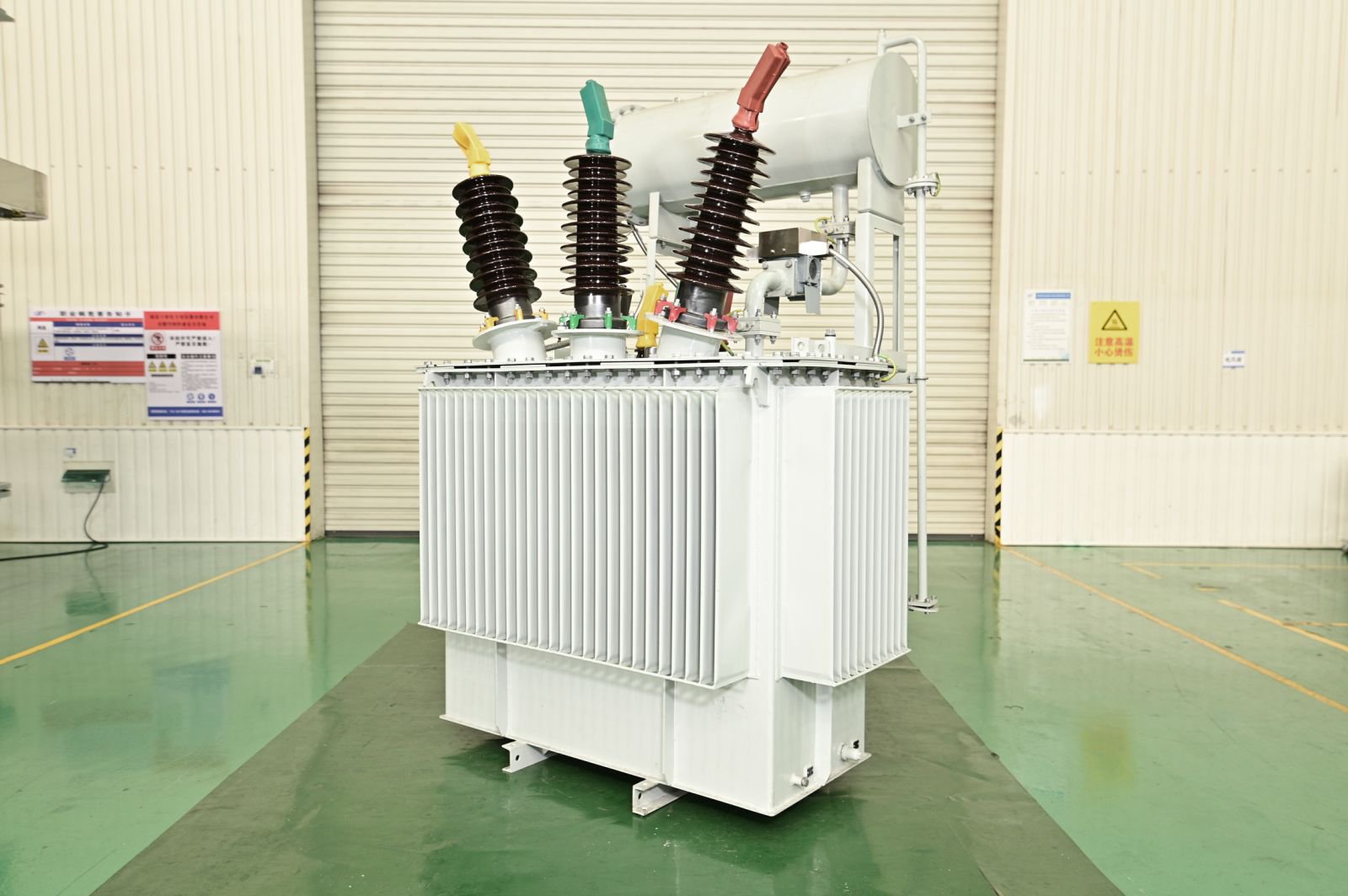

What Is an Oil-Immersed Transformer?
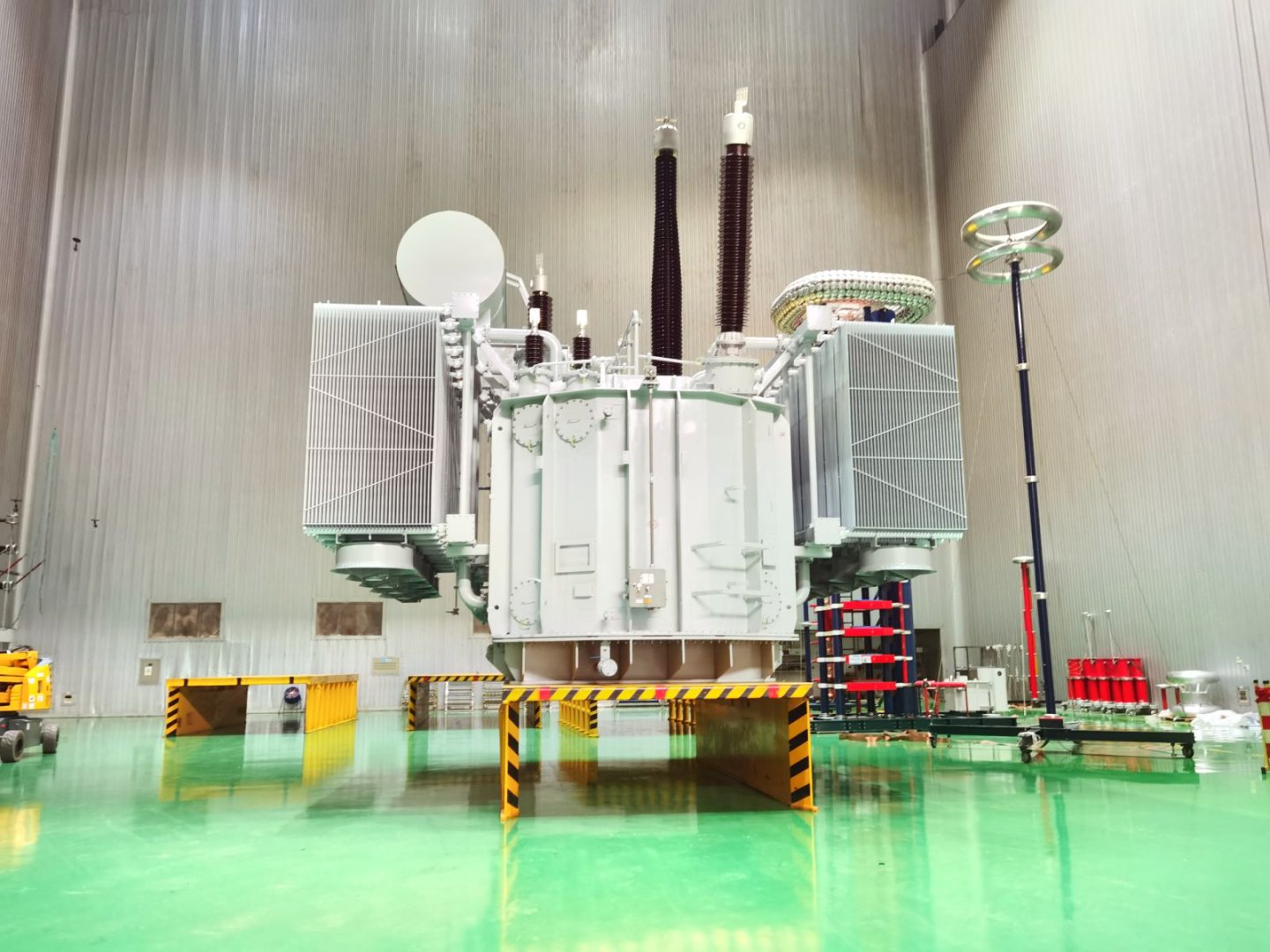
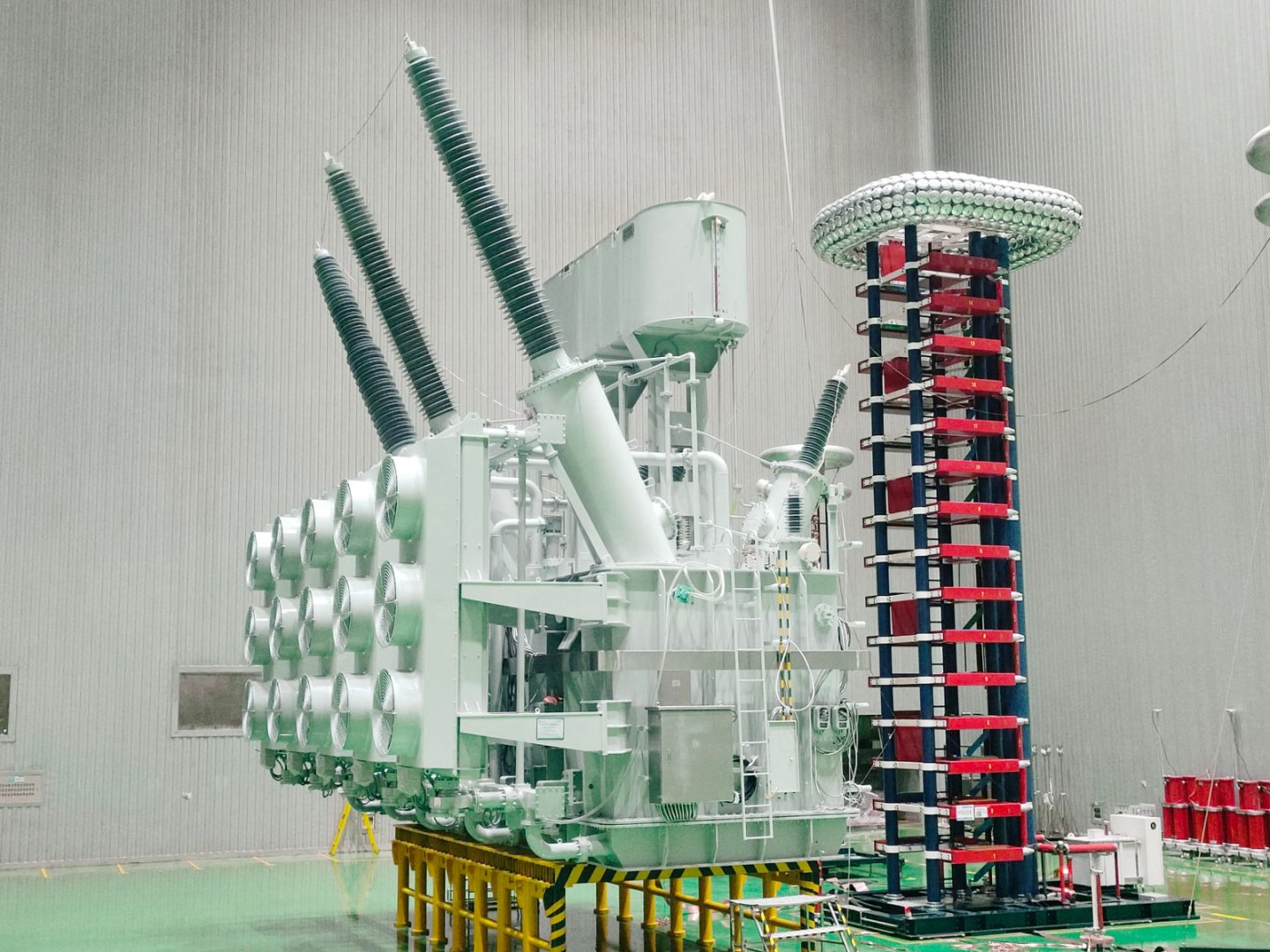
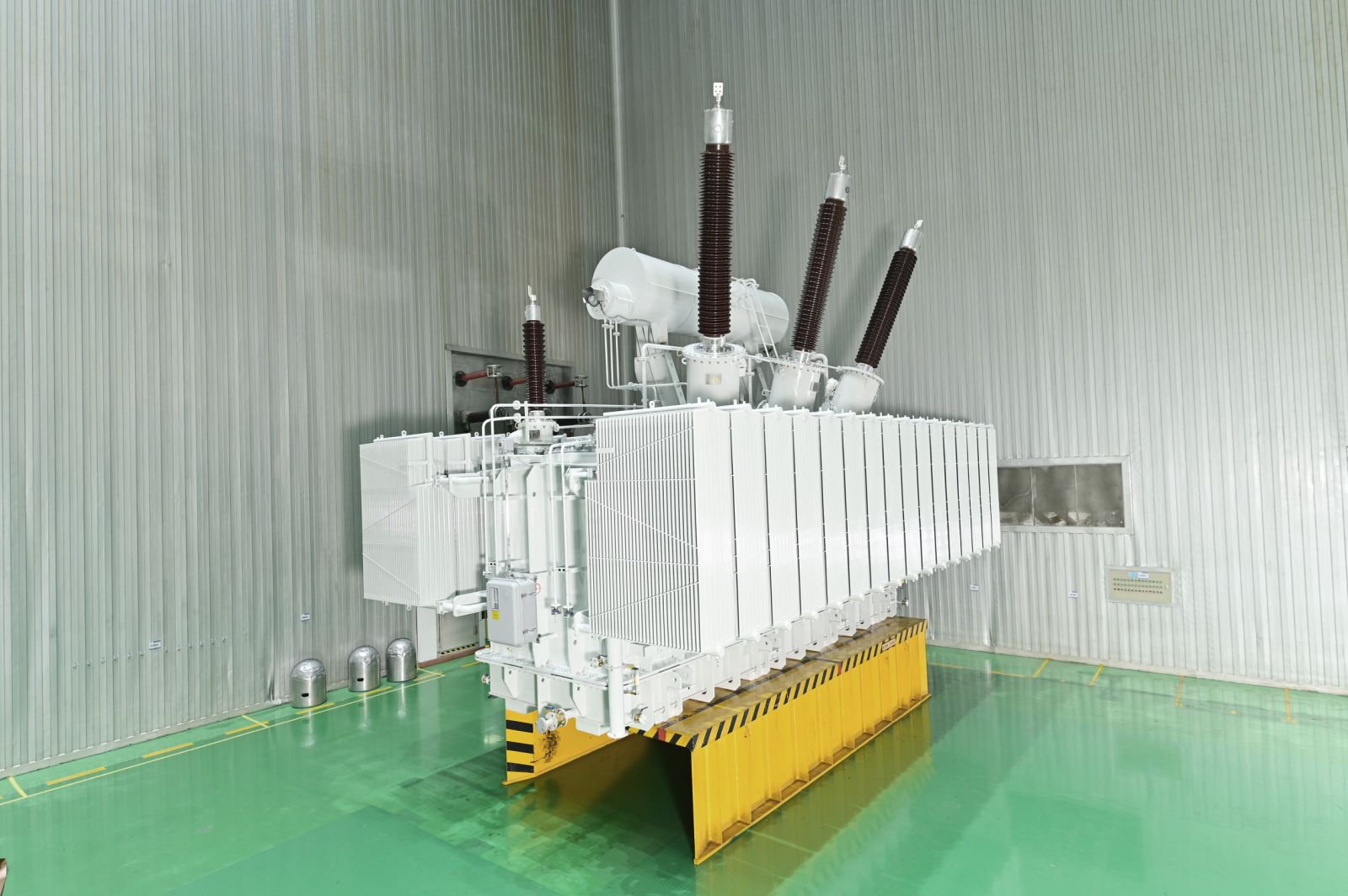
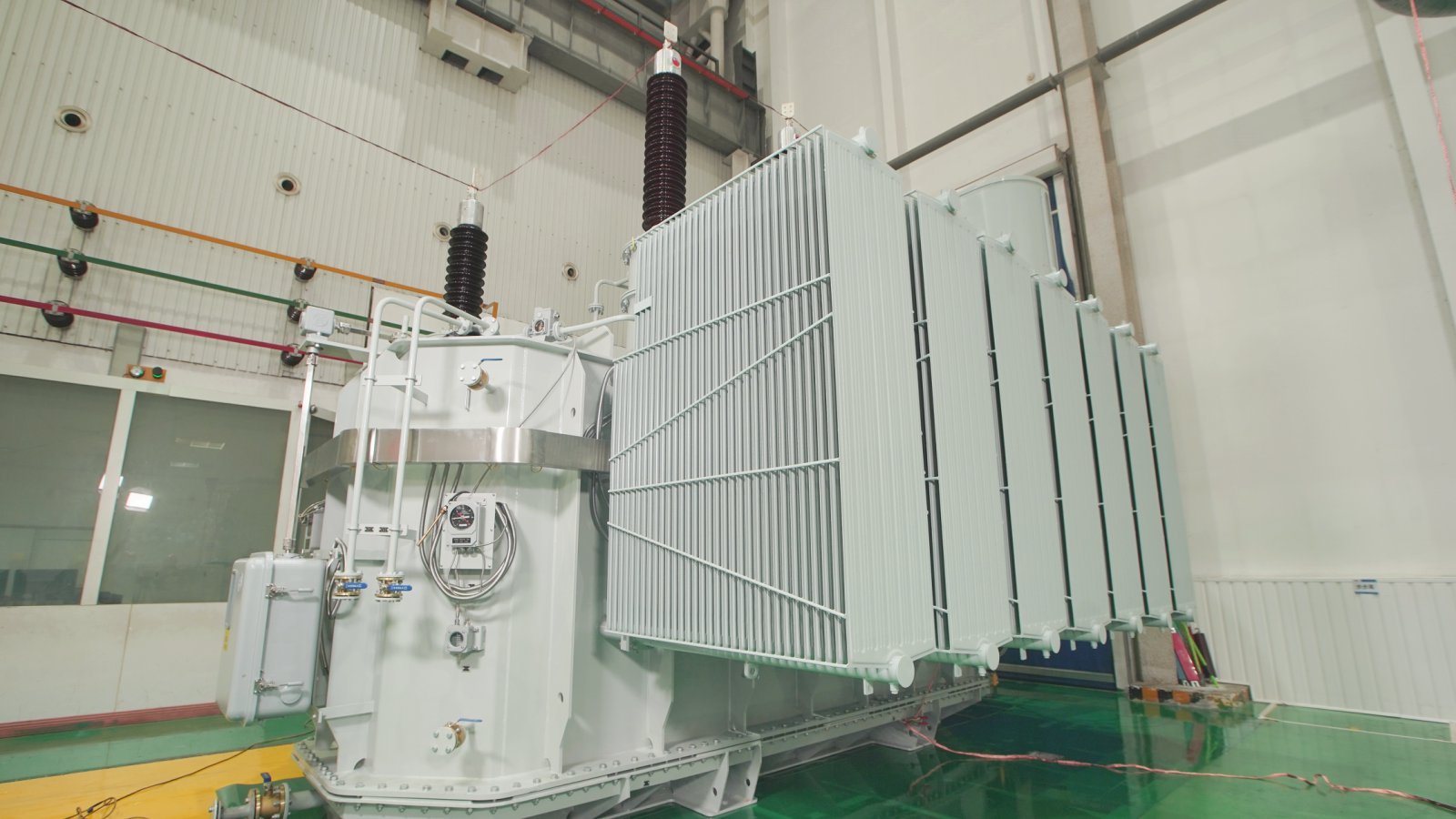
An Oil-Immersed Transformer is a type of power transformer that uses insulating oil as both a cooling medium and electrical insulation material. Compared with dry-type transformers, oil immersed transformers provide excellent heat dissipation capability and are widely used in high-voltage transmission and distribution systems.
As a professional oil immersed transformer manufacturer, Liye designs and supplies reliable transformer solutions for power grids, renewable energy projects, industrial facilities, and infrastructure applications.
The main components of an oil immersed power transformer include:
- Iron core
- Windings
- Transformer oil
- Oil tank
- Radiators
- Bushings
- Tap changer
- Protection devices
The transformer oil transfers heat generated during operation to the cooling system, helping maintain stable performance and extend service life.
Advantages of Oil-Immersed Transformer
Excellent Heat Dissipation Performance
One of the biggest advantages of an oil cooled transformer is its efficient cooling capability.
Transformer oil circulates inside the tank and transfers heat away from the windings and core. This makes oil immersed transformers suitable for:
- High voltage applications
- Continuous operation
- Large capacity power systems
- Outdoor installations
High Electrical Insulation Capability
Transformer oil provides strong insulation between internal components, improving operational safety and reducing the risk of electrical breakdown.
A properly designed high voltage oil immersed transformer can maintain reliable performance under demanding grid conditions.
Suitable for Large Capacity Applications
Compared with dry-type transformers, oil type transformers are commonly used for larger power ratings due to their better cooling efficiency.
Typical applications include:
- Transmission substations
- Industrial power plants
- Renewable energy stations
- Utility power networks
Long Service Life and Reliable Operation
With proper maintenance, an oil immersed transformer can provide decades of stable operation.
Key factors affecting service life include:
- Oil quality
- Temperature control
- Insulation condition
- Regular maintenance
- Manufacturing quality
Applications of Oil-Immersed Transformer
Power Transmission and Distribution Systems
Oil immersed transformers are widely used in electricity networks for voltage conversion between generation, transmission, and distribution systems.
Common applications include:
- Substations
- Grid connection projects
- Regional power networks
- Utility distribution systems
Renewable Energy Projects
The increasing demand for renewable energy has created more applications for oil immersed transformers.
They are commonly installed in:
- Solar power plants
- Wind farms
- Energy storage systems
- Hydropower stations
These projects require transformers with high reliability and stable performance under variable loads.
Industrial Facilities
Many heavy industries depend on reliable high-voltage power systems.
Typical applications include:
- Steel manufacturing
- Mining operations
- Chemical plants
- Large factories
A suitable three phase oil immersed transformer can provide stable power supply for continuous industrial production.
Oil-Immersed Transformer Selection Tips
Choosing the correct transformer requires evaluating several technical factors.
1. Rated Capacity
Transformer capacity should match the electrical load requirements.
Consider:
- Current power demand
- Future expansion plans
- Peak load conditions
- Backup requirements
Selecting the correct capacity helps avoid unnecessary investment and ensures stable operation.
2. Voltage Level
The transformer voltage rating must match the power system.
Important parameters include:
- Primary voltage
- Secondary voltage
- Frequency
- Insulation level
For high-voltage projects, buyers should select transformers designed according to applicable international standards.
3. Cooling Method
Different applications require different cooling systems.
Common cooling methods include:
ONAN (Oil Natural Air Natural)
Suitable for standard operating conditions.
ONAF (Oil Natural Air Forced)
Provides enhanced cooling capacity for higher loads.
4. Transformer Efficiency and Losses
Energy efficiency is an important factor for long-term operation.
Buyers should evaluate:
- No-load losses
- Load losses
- Energy consumption
- Operating costs
A high-efficiency transformer can reduce electricity losses throughout its service life.
5. Choose a Reliable Transformer Supplier
A professional oil immersed transformer supplier should provide:
- Customized transformer design
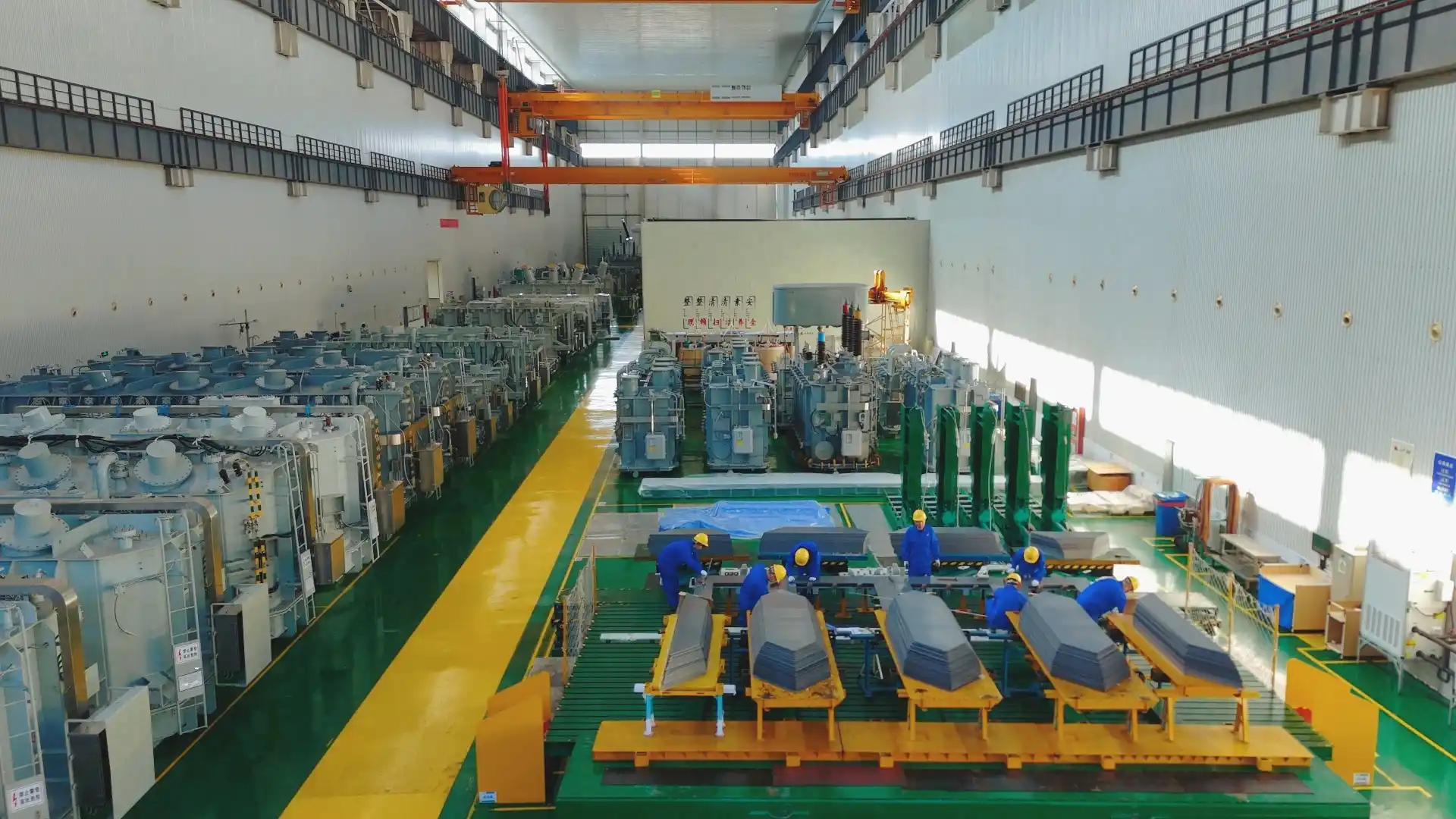
- Advanced manufacturing facilities
- Strict quality inspection
- Complete testing procedures
- Technical support
Liye provides customized transformer solutions for different voltage levels and application requirements, supporting global power infrastructure development.
Why Choose Liye Oil-Immersed Transformers?
Liye focuses on the design and manufacturing of reliable power transformers for global customers.
Key advantages include:
● Professional transformer manufacturing capability
● Customized solutions for different grid and industrial requirements
● Strict production and testing processes
● Reliable performance for long-term operation
● Support for high-voltage and large-capacity applications
From distribution networks to renewable energy projects, Liye delivers dependable oil immersed power transformer solutions designed for efficiency, safety, and durability.
Conclusion
An Oil-Immersed Transformer is a widely used solution for high-voltage power transmission and industrial applications due to its excellent cooling performance, insulation capability, and reliability.
When selecting an oil immersed transformer, customers should consider capacity, voltage level, cooling method, efficiency, and manufacturer experience. Working with an experienced oil immersed transformer manufacturer helps ensure safe and stable power system operation.