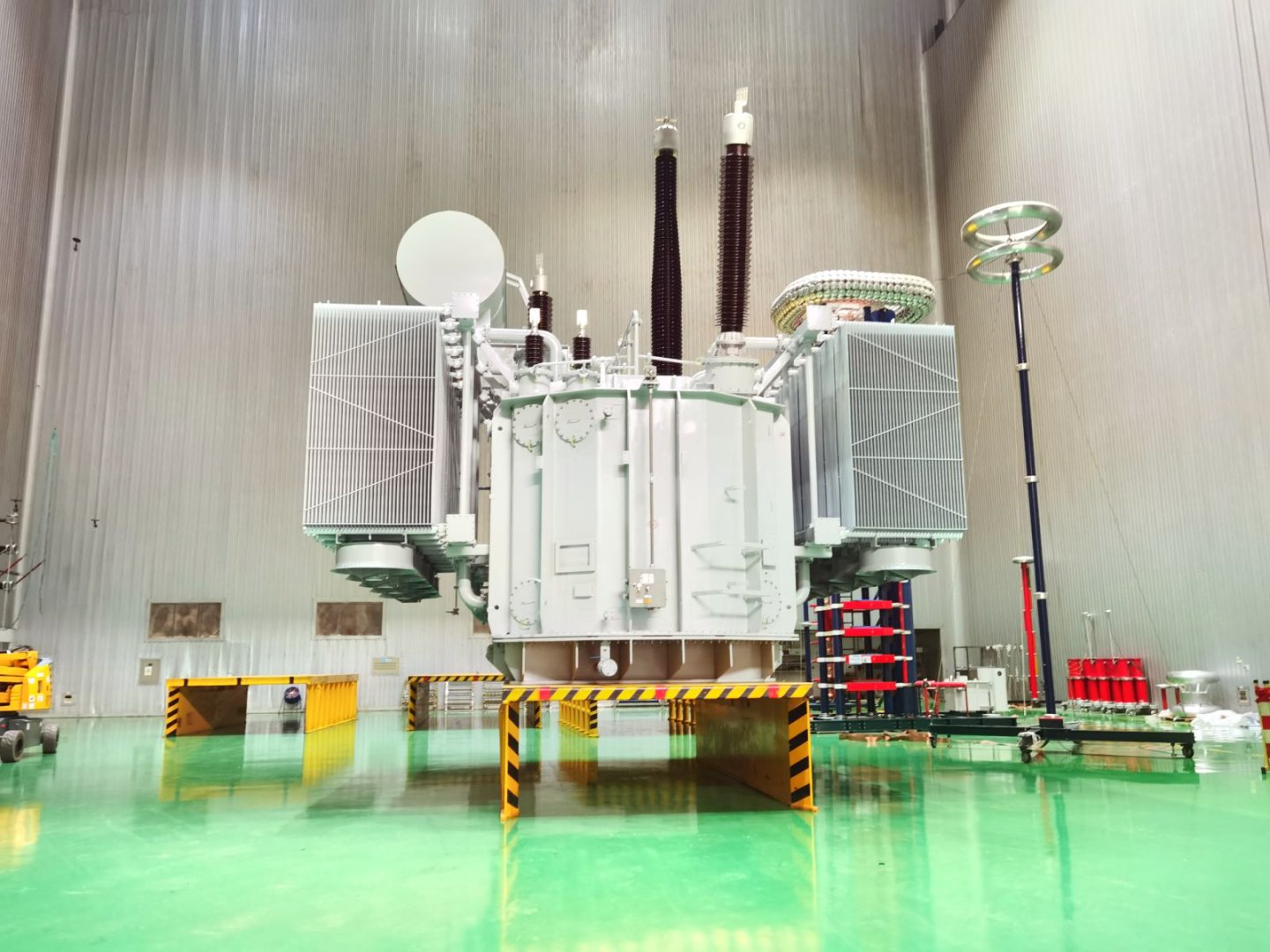
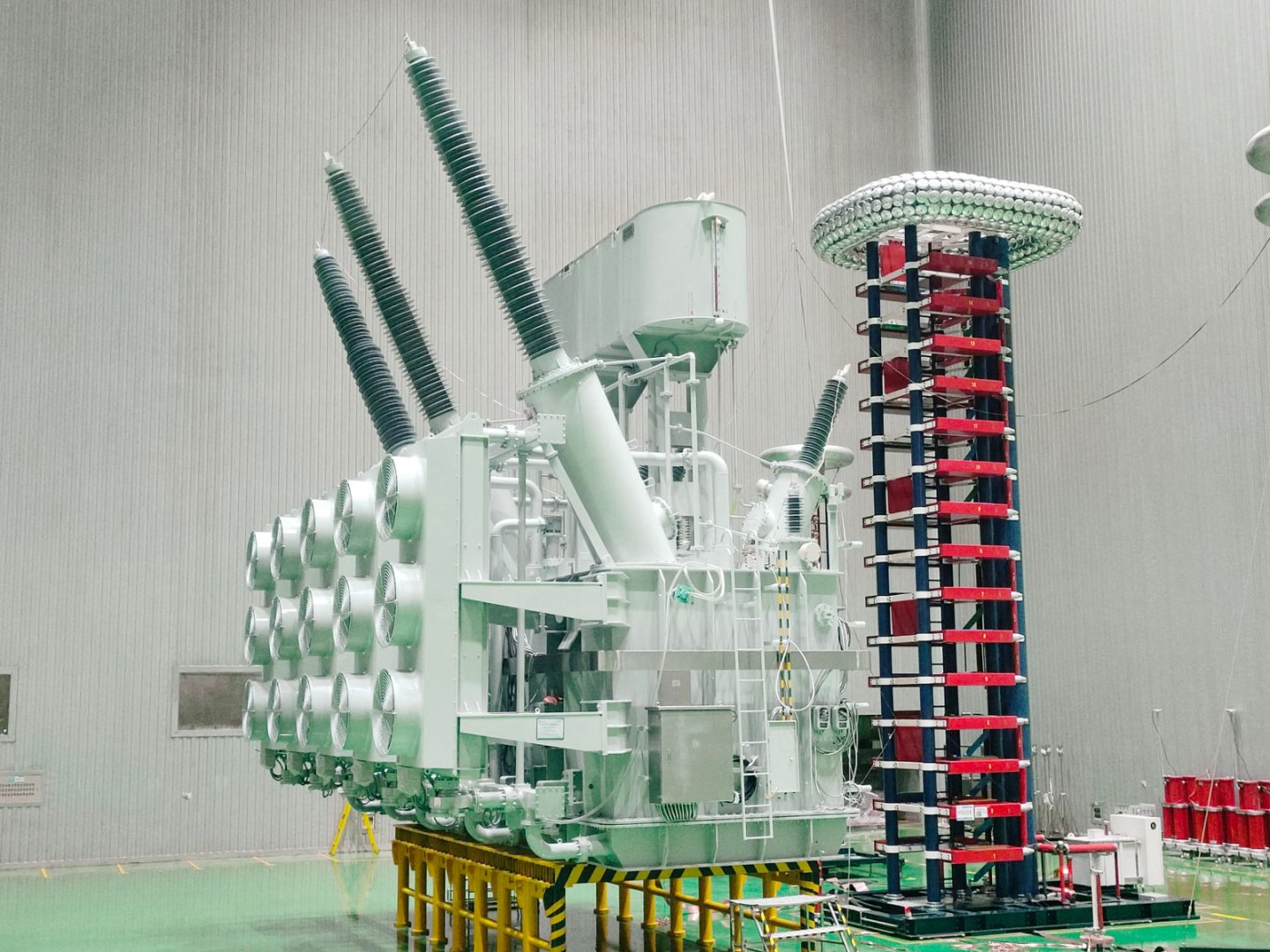
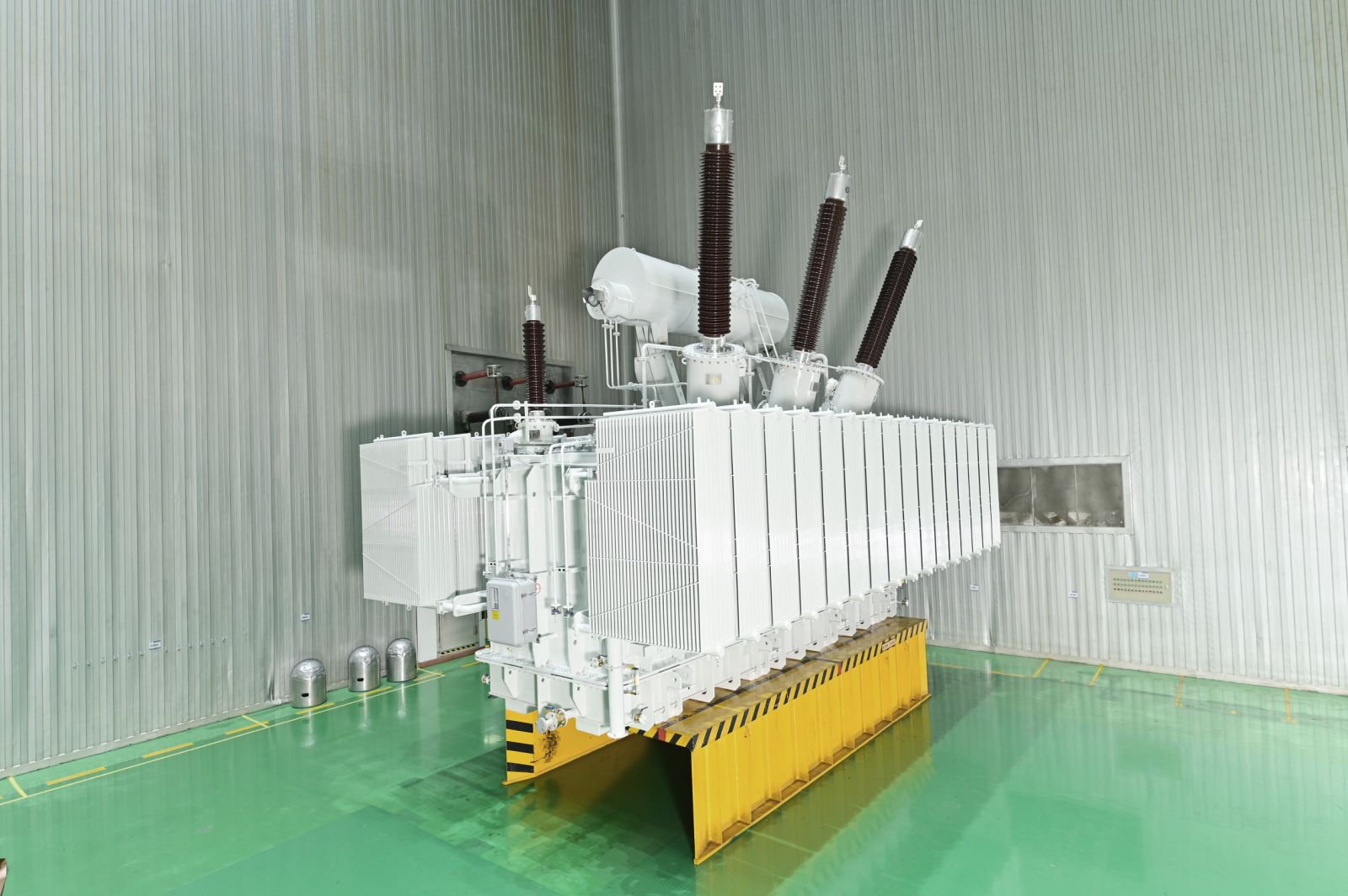
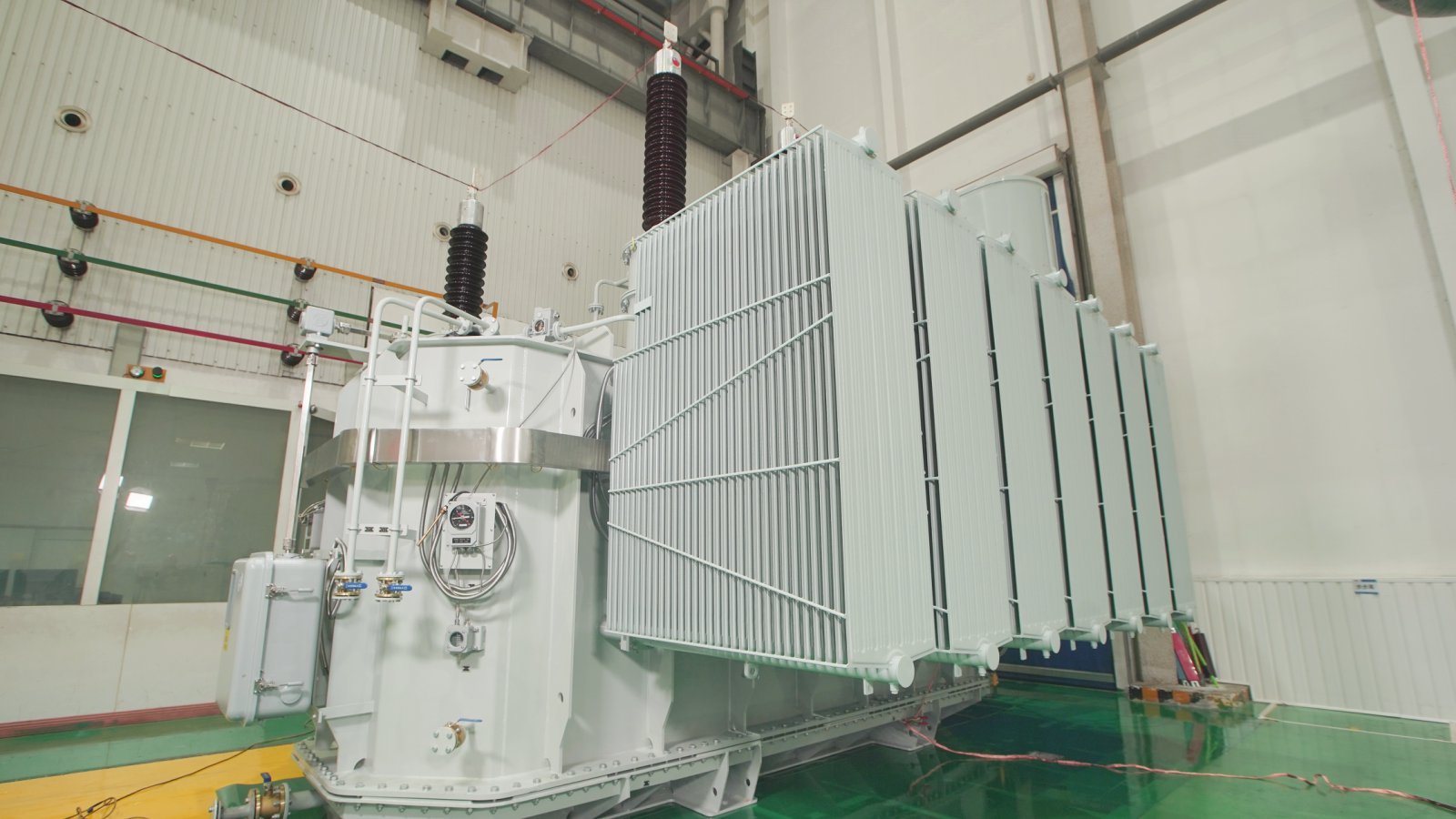
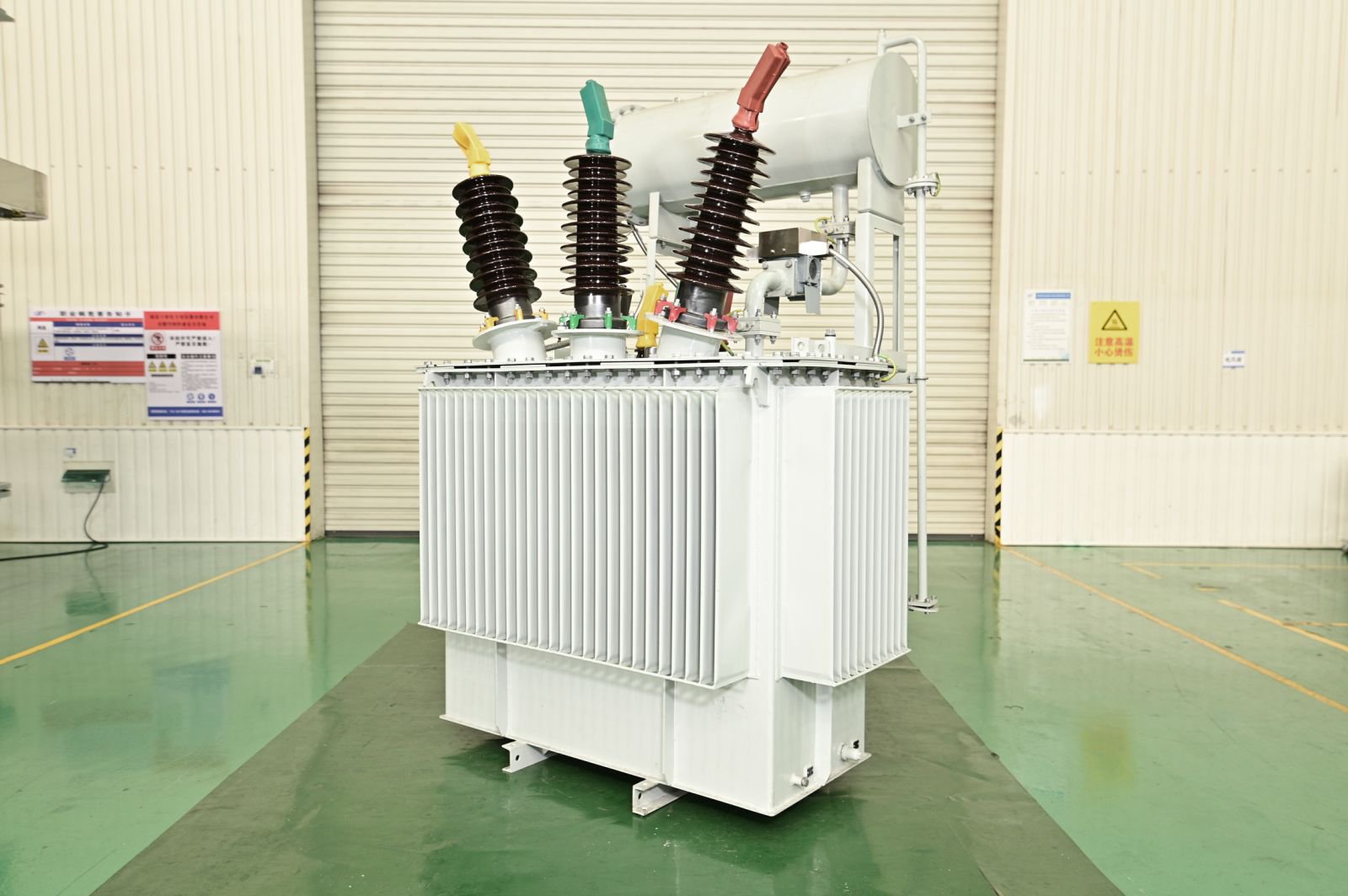
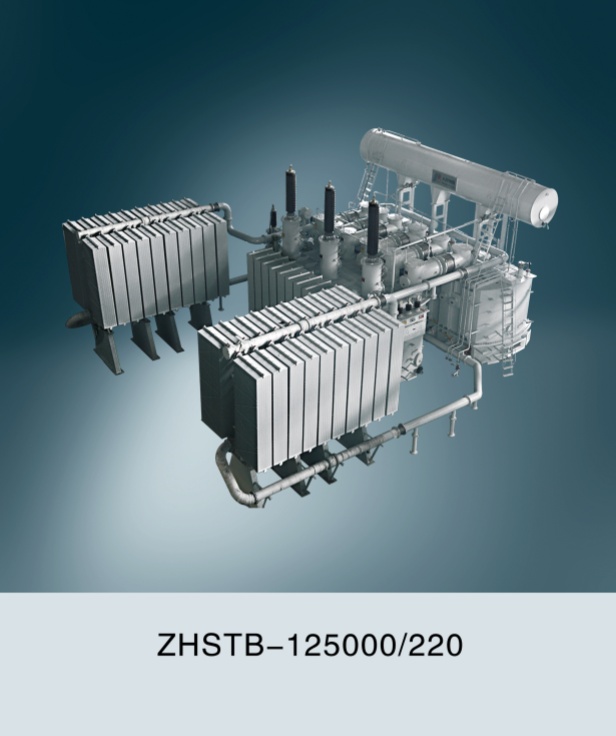
Rectifier Transformer for Industrial DC Power Systems
A rectifier transformer does not directly convert AC into DC by itself. Instead, it adjusts and isolates the AC supply before feeding the rectifier bridge, where AC power is converted into DC.
This makes the transformer an important part of the complete rectifier system.
A properly engineered transformer for rectifier systems must consider more than voltage transformation. The winding, insulation, thermal design and cooling system must also be selected according to the characteristics of the connected rectifier load.
Important design considerations can include:
● Required primary and secondary voltage
● Transformer rated capacity
● Rectifier circuit configuration
● Harmonic current loading
● Load fluctuations
● Winding arrangement
● Short-circuit impedance
● Cooling requirements
● Insulation level
● Temperature rise
● Installation environment
Liye evaluates these parameters according to the customer’s rectifier system and operating requirements.
Why Is a Rectifier Transformer Different from a Standard Power Transformer?
Standard power transformers are primarily designed for sinusoidal AC loads.
A rectifier transformer, however, supplies nonlinear rectifier loads. The current waveform generated by the rectifier system can contain harmonic components and may differ substantially from the current seen in conventional AC distribution systems.
For this reason, rectifier transformer engineering must consider:
Harmonic Current
Rectifier circuits generate harmonic currents that can increase losses and thermal stress inside a transformer.
The winding and thermal design of an industrial rectifier transformer therefore needs to match the actual rectifier load.
Load Fluctuation
Industrial DC processes may operate under changing current and load conditions.
The Power transformer must maintain stable electrical and thermal performance throughout the expected operating range.
Winding Configuration
Different rectifier systems may require different secondary winding arrangements and phase relationships.
Liye can evaluate customized winding configurations according to the rectifier circuit and required DC output.
Cooling Performance
Continuous high-current operation can create significant thermal loading.
Cooling method, oil circulation and temperature-rise limits should therefore be selected according to transformer capacity and operating duty.
Rectifier Transformer Applications
Liye rectifier transformers can be engineered for industrial processes and facilities requiring high-current or continuous DC power.
Electrolysis Systems
An electrolysis rectifier transformer supplies the rectifier equipment that converts AC power into the DC current required for electrochemical processes.
Applications can include:
● Chemical electrolysis
● Electrolytic metal processing
● Hydrogen-related electrolysis systems
● Other high-current electrochemical processes
Stable transformer performance is particularly important in continuous electrolysis operations where process reliability depends on a consistent DC power supply.
Electroplating Systems
Electroplating processes require controlled DC current to deposit a metal coating onto a workpiece.
An electroplating rectifier transformer provides the required AC voltage and electrical isolation before the rectification stage.
The required capacity and secondary voltage depend on the plating line, rectifier equipment and process current.
Metallurgical and Metal Processing
High-current DC power is used in a variety of metallurgical and metal-processing operations.
An industrial rectifier transformer can be engineered for demanding industrial loads where transformer thermal performance, harmonic capability and operating reliability are important.
Typical projects may include metal refining, electrochemical metal processing and other DC-intensive industrial processes.
Rail and Transportation Power Systems
Rectifier transformers can also be incorporated into DC traction and transportation power systems.
The transformer works with the rectifier equipment to convert incoming AC power into the required DC supply for the downstream traction network or associated electrical system.
Rectifier Transformer and Rectifier System
The rectifier transformer is only one part of the complete AC-to-DC power conversion system.
A typical industrial rectifier system includes:
AC Power Supply
↓
Rectifier Transformer
↓
Rectifier Bridge
↓
DC Output
↓
Industrial DC Load
The transformer adjusts the incoming voltage and provides the electrical characteristics required by the rectifier.
The rectifier bridge then converts the transformed AC power into DC.
Because the transformer and rectifier operate as one electrical system, transformer design should be coordinated with the rectifier equipment rather than selected independently.
Custom Rectifier Transformer Engineering
Liye can manufacture a customized rectifier transformer according to project electrical requirements.
Customization can include:
● Rated capacity
● Primary voltage
● Secondary voltage
● Frequency
● Number of secondary windings
● Winding connection
● Phase relationship between windings
● Short-circuit impedance
● Voltage regulation requirements
● Insulation level
● Cooling method
● Temperature-rise limits
● Noise requirements
● Transformer monitoring accessories
● Indoor or outdoor installation
● Ambient temperature and altitude
For projects involving special rectifier circuits or multiple secondary windings, please provide the rectifier manufacturer’s electrical requirements during the inquiry stage.
Rectifier Transformer for Harmonic Loads
Harmonic performance is one of the most important factors when selecting a rectifier transformer.
Because rectifier circuits are nonlinear loads, transformer windings can be exposed to harmonic currents that increase additional losses and heating.
For this reason, Liye evaluates the transformer according to the expected rectifier load rather than simply selecting a conventional transformer with the same kVA rating.
Depending on the rectifier system design, winding configuration and phase relationships can also be engineered to support the required rectification arrangement.
If your project has specified harmonic limits, current spectra or rectifier pulse requirements, these should be provided together with the transformer inquiry.
Why Choose Liye as Your Rectifier Transformer Manufacturer?
Liye Electric has dedicated transformer manufacturing capabilities covering insulation components, windings, transformer cores, oil tanks, final assembly and electrical testing.
This integrated manufacturing system allows important transformer components and production processes to be controlled within Liye’s own production facilities.
Key capabilities include:
● In-house transformer engineering
● Insulation component manufacturing
● Transformer winding manufacturing
● Precision silicon steel core processing
● Transformer tank fabrication
● Vapor phase drying
● Large transformer assembly
● High-voltage electrical testing
● Project-specific transformer customization
Liye’s transformer R&D and manufacturing capability covers transformer voltage classes up to 750kV.
For EPC contractors, industrial companies and electrical equipment integrators looking for a rectifier transformer manufacturer, Liye can work from project specifications, rectifier diagrams and electrical parameters to develop a suitable transformer configuration.
Information Required for Rectifier Transformer Selection
Compared with a standard distribution transformer, more information is normally required before selecting a rectifier power transformer.
Please provide as much of the following information as possible:
● Required transformer capacity
● Primary voltage
● Required secondary voltage
● Frequency
● Rectifier type
● Number of rectifier bridges
● Required number of secondary windings
● Required winding connections
● Load current characteristics
● Harmonic data, if available
● Impedance requirements
● Voltage regulation requirements
● Cooling method
● Installation environment
● Applicable standard
● Single-line diagram or rectifier system drawing
Providing these parameters helps our engineers evaluate the transformer according to the actual rectifier load.
Rectifier Transformer FAQ
What is a rectifier transformer?
A rectifier transformer is a special transformer designed to supply AC power to rectifier equipment. The rectifier then converts the AC power into DC for industrial processes and electrical systems.
Does a rectifier transformer convert AC to DC?
Not by itself. The rectifier transformer transforms and conditions the AC power, while the connected rectifier bridge performs the AC-to-DC conversion.
Where are rectifier transformers used?
Rectifier transformers are commonly used in industrial DC systems such as electrolysis, electroplating, metallurgical processing and DC transportation power systems.
Why can’t a standard power transformer always be used with a rectifier?
Rectifier loads can produce harmonic currents and different thermal stresses from conventional AC loads. A dedicated industrial rectifier transformer can therefore require different winding, thermal and electrical design considerations.
Can Liye customize the secondary winding of a rectifier transformer?
Yes. Secondary voltage, number of windings, winding connection and other electrical parameters can be evaluated according to the connected rectifier system.
What information should I provide for a rectifier transformer quotation?
Provide the transformer capacity, primary and secondary voltage, rectifier configuration, number of secondary windings, impedance, cooling method and operating environment.
A rectifier system drawing or electrical single-line diagram is especially helpful.
Request a Rectifier Transformer Quote
Looking for a rectifier transformer supplier for an electrolysis system, electroplating line, metallurgical project or other industrial DC power application?
Send Liye Electric your rectifier specifications, required transformer capacity, primary and secondary voltage and electrical drawings.
Our engineering team can evaluate the application and provide a customized rectifier transformer solution for your project.