
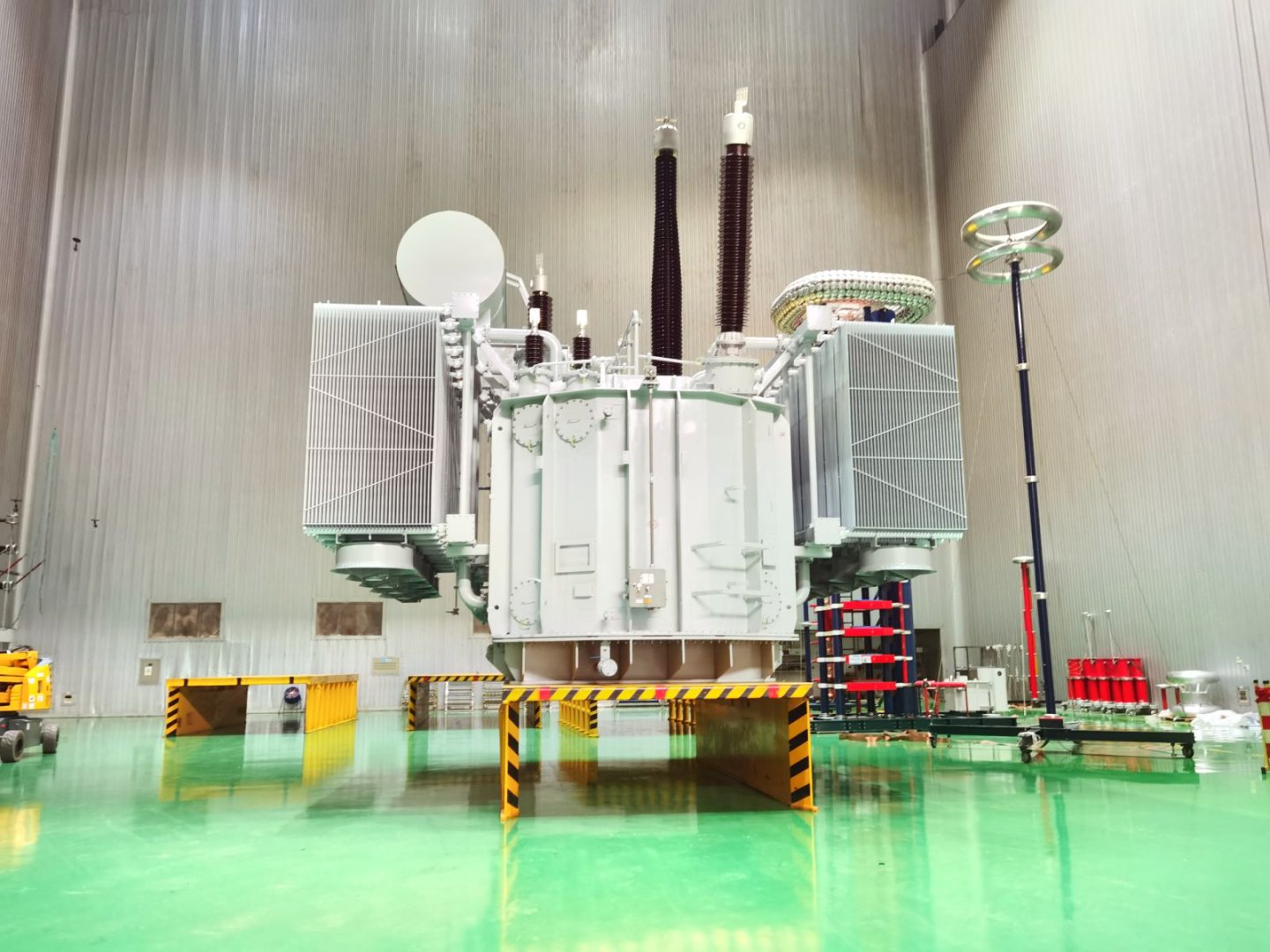
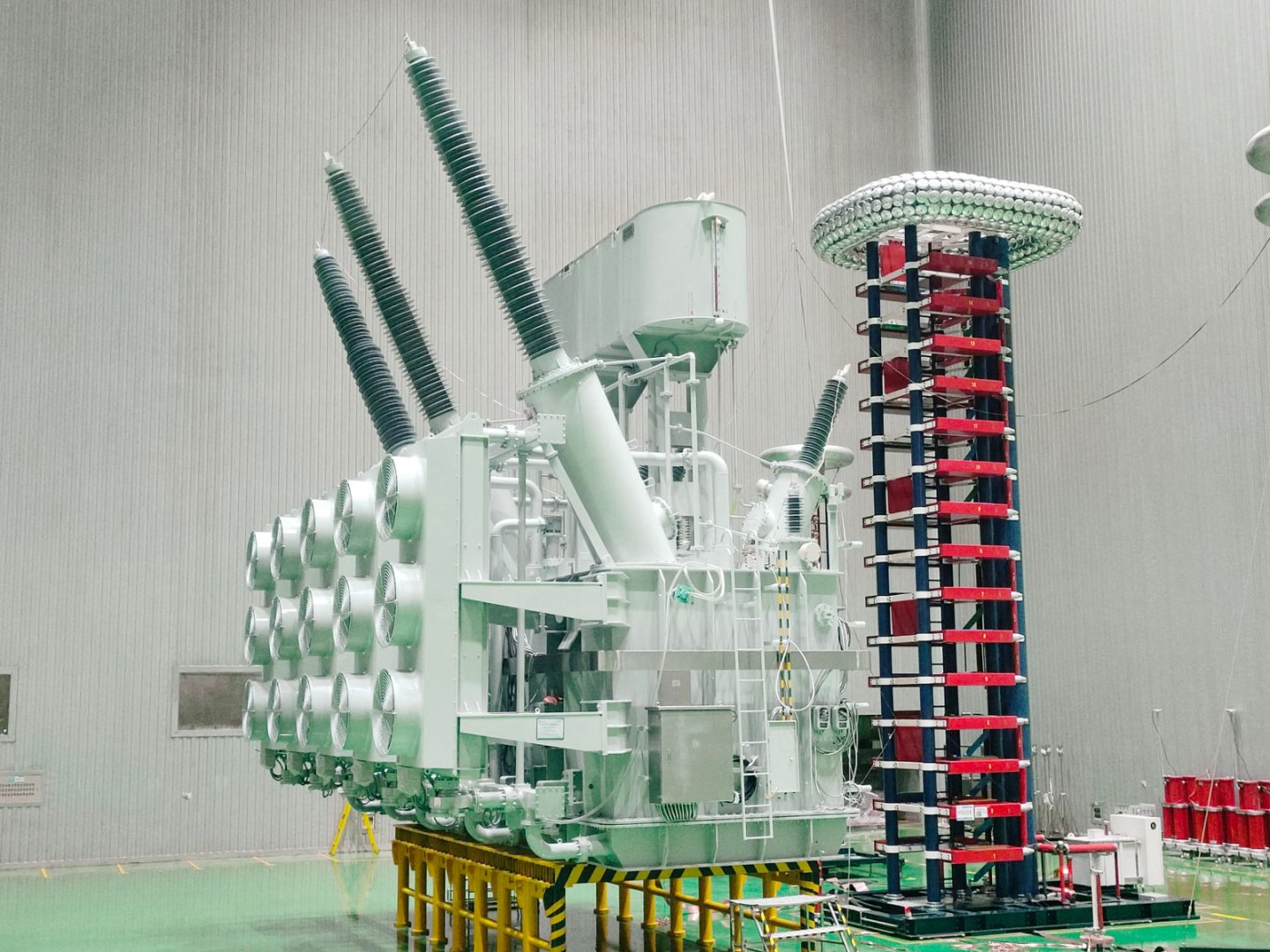
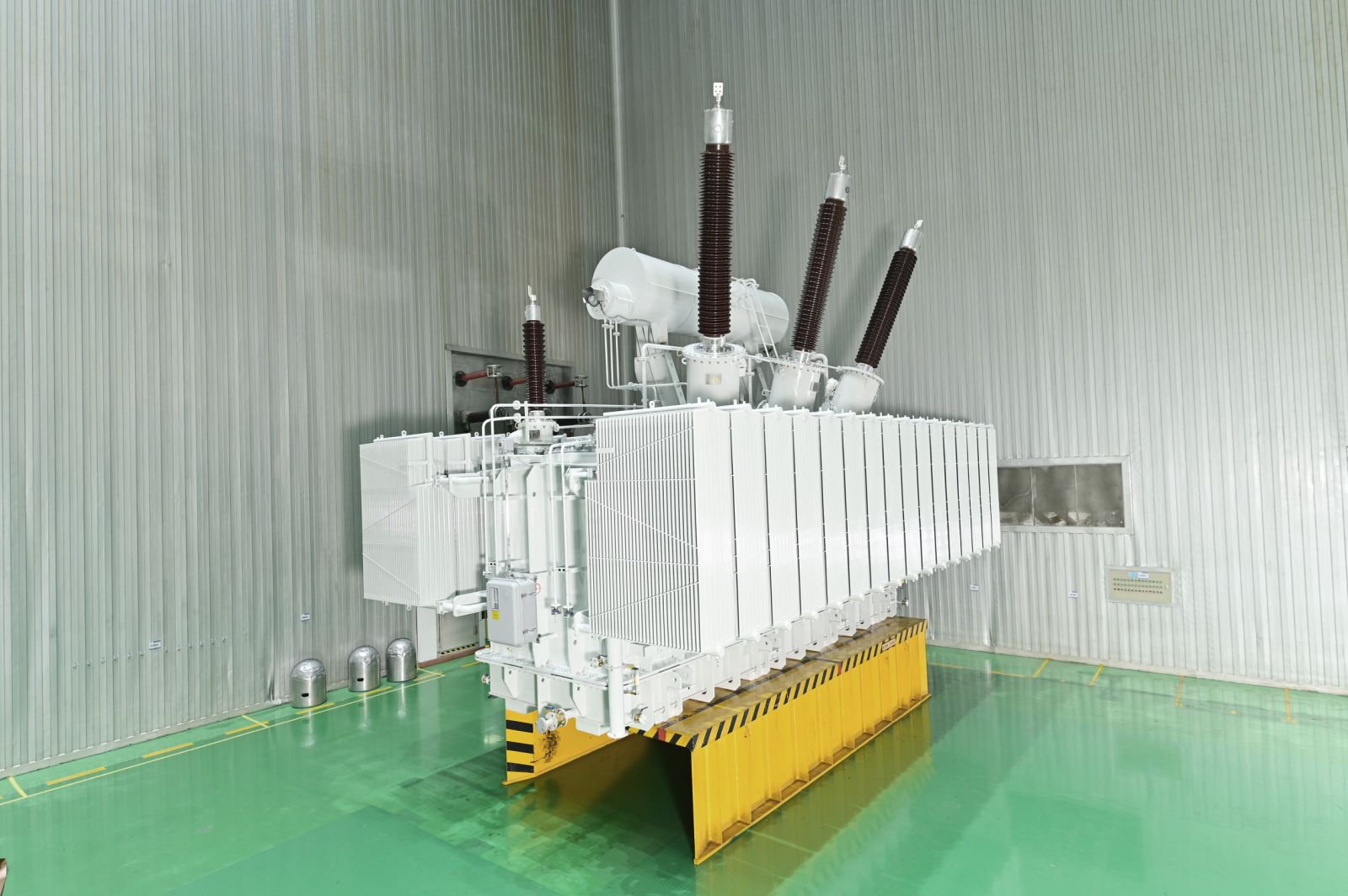
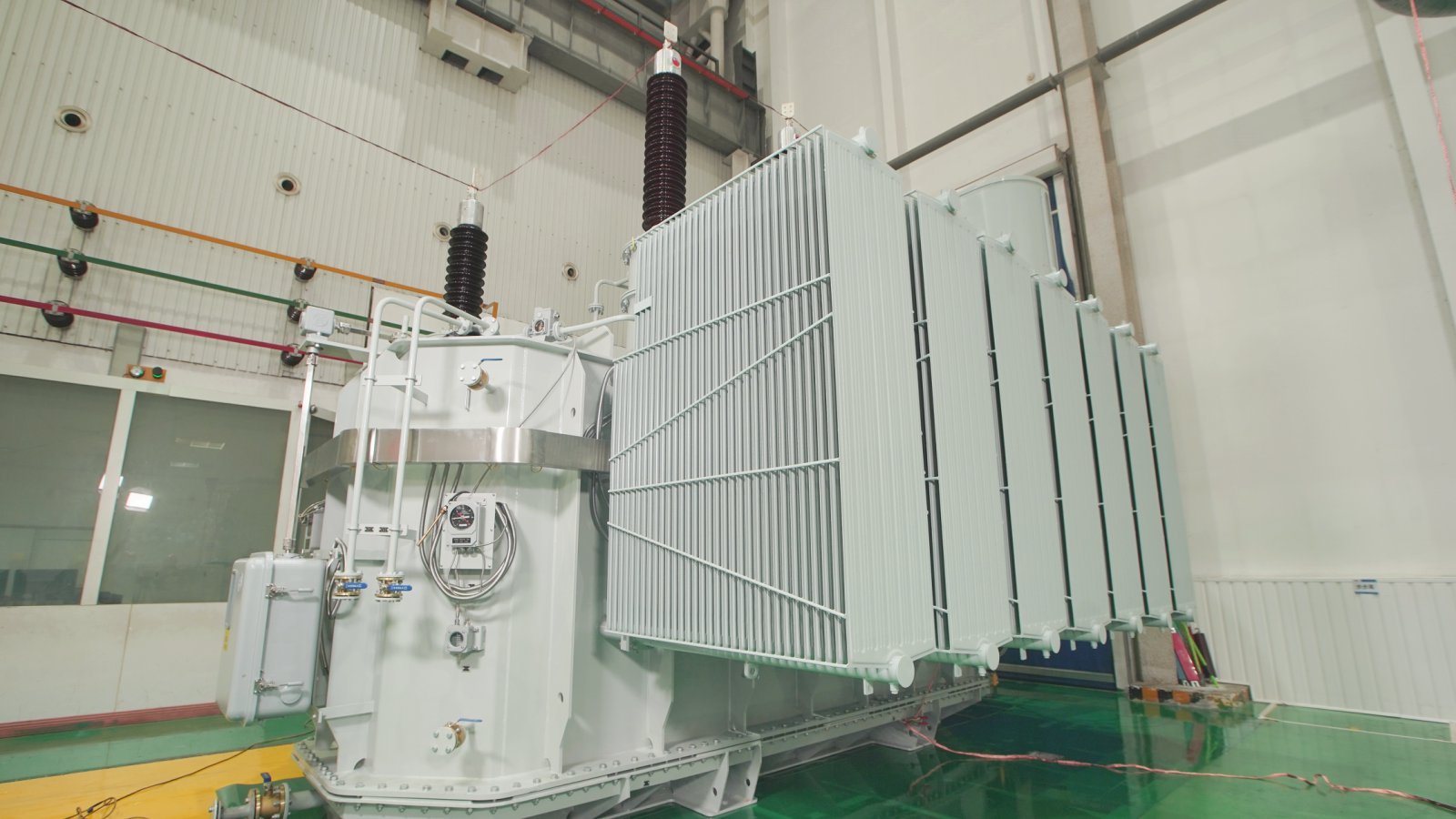
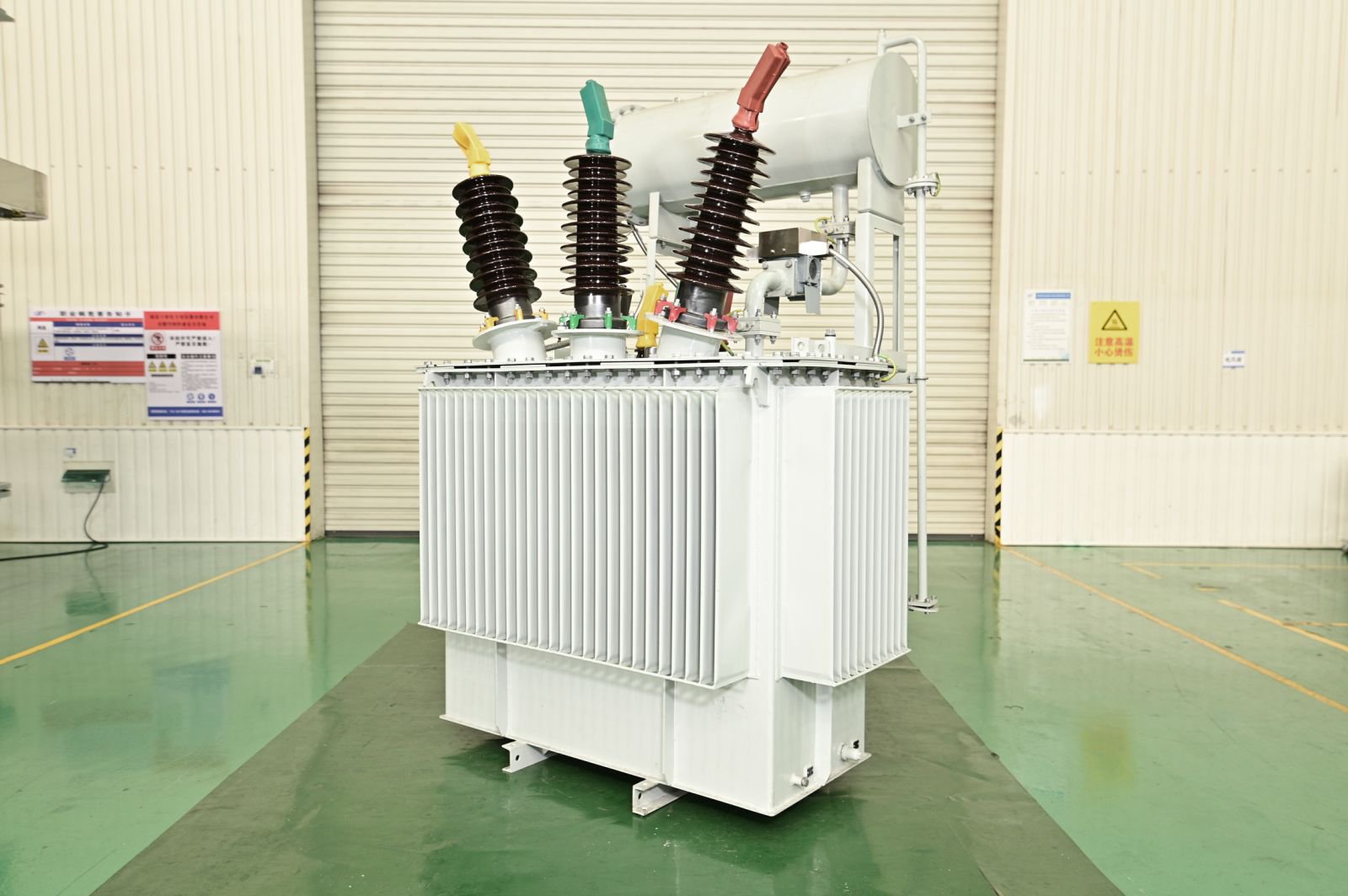

A 500kV power transformer is one of the most critical pieces of equipment in an extra-high-voltage transmission network. It connects major transmission voltage levels, transfers large amounts of electrical power and directly affects substation reliability.
Unlike purchasing a standard distribution transformer, selecting a 500kV transformer requires detailed coordination between the transformer manufacturer, utility, EPC contractor and substation designer. Rated capacity alone is not enough. Buyers must consider insulation coordination, short-circuit strength, cooling, losses, tap regulation, transportation limitations and applicable international standards.
This guide explains the key factors to check before purchasing a 500kV power transformer for an extra-high-voltage substation.
1. Start with the Substation Electrical Requirements
Before requesting a quotation, define the transformer duty as clearly as possible.
The manufacturer will normally need information including:
● Rated voltage and voltage ratio
● Rated capacity in MVA
● System frequency, such as 50 Hz or 60 Hz
● Number of phases
● Vector group or winding connection
● System grounding method
● Required impedance
● Tap range and voltage regulation requirements
● Installation altitude and ambient conditions
● Connection to GIS, AIS, cable or overhead lines
● Applicable IEC, IEEE/ANSI or utility specifications
For a 500kV project, incomplete technical information during the RFQ stage can lead to significant design changes later.
The transformer should therefore be selected as part of the complete substation system rather than as an independent electrical product.
2. Determine the Required MVA Capacity
A 500kV transformer can be designed in different capacities depending on the transmission network and substation configuration.
The correct capacity should consider not only present load but also:
● Expected future load growth
● N-1 system reliability requirements
● Parallel transformer operation
● Emergency loading requirements
● Power generation or transmission expansion
● Permitted transformer loading profile
Oversizing increases equipment and infrastructure costs, while undersizing may restrict grid capacity or increase thermal stress.
For large transmission substations, buyers should provide the expected loading profile rather than simply specifying the maximum MVA requirement.
This allows the manufacturer to evaluate winding design, cooling requirements and expected thermal performance.
3. Pay Close Attention to Insulation Coordination
Insulation design is particularly important at the 500kV transformer level because the transformer must withstand high operating voltages as well as transient electrical stresses.
IEC 60076-3 covers transformer insulation levels, dielectric testing and external clearances. It includes requirements for lightning impulse, switching impulse and other dielectric tests, with switching impulse requirements applying to equipment above 72.5 kV.
When preparing a specification, buyers should clarify:
● Highest system voltage
● Lightning impulse withstand requirements
● Switching impulse withstand requirements
● Power-frequency withstand level
● Neutral insulation level
● Bushing insulation requirements
● Surge arrester coordination
Do not assume that every 500kV system uses exactly the same insulation specification. Requirements can differ according to grid standards, altitude, insulation coordination studies and national regulations.
4. Compare Transformer Losses, Not Just Purchase Price
For a 500kV power transformer, purchase price represents only part of the total lifecycle cost.
Because the transformer may remain energized for decades, even relatively small differences in losses can create significant long-term operating costs.
Buyers should therefore compare:
No-Load Loss
No-load loss occurs whenever the transformer is energized, regardless of the amount of load being transmitted.
Core material, core design and manufacturing quality directly affect this value.
Load Loss
Load loss increases with transformer loading and is mainly associated with winding resistance and stray losses.
When comparing suppliers, make sure loss values are evaluated under the same operating and reference conditions.
For utility projects, specifications may also include loss capitalization or penalties when guaranteed losses exceed agreed values.
A transformer with a lower initial price is not necessarily the lowest-cost solution over its service life.
5. Check Cooling Method and Temperature Rise
Large extra-high-voltage transformers generate substantial heat and require an effective cooling system.
Depending on transformer capacity and operating requirements, common cooling configurations can involve natural or forced oil circulation combined with natural or forced air cooling.
IEC 60076-2 defines cooling identification, temperature-rise limits and temperature-rise test methods for liquid-immersed power transformers.
During procurement, evaluate:
● Required transformer capacity at each cooling stage
● Number and arrangement of radiators
● Cooling fan redundancy
● Oil pump configuration where applicable
● Temperature monitoring
● Winding hot-spot monitoring
● Alarm and trip settings
● Performance under maximum ambient temperature
For substations in high-temperature environments, the thermal design may require special consideration.
6. Verify Short-Circuit Withstand Capability
A major network fault can expose the transformer windings to extremely high electromagnetic forces.
The power transformer must therefore be mechanically strong enough to withstand both the thermal and dynamic effects of external short circuits.
IEC 60076-5 specifies requirements and evaluation methods for transformer short-circuit withstand capability.
For a 500kV transformer project, buyers should examine the manufacturer’s:
● Winding mechanical design
● Axial and radial clamping structure
● Short-circuit force calculations
● Previous short-circuit test experience
● Manufacturing consistency
● Reference transformers operating on similar grids
This is an area where manufacturing experience becomes especially important. A design that performs well under normal load must also remain mechanically stable during severe fault conditions.
7. Specify the OLTC and Voltage Regulation Requirements
Many EHV transformers use an on-load tap changer (OLTC) to regulate voltage while the transformer remains energized.
When requesting a 500kV transformer, specify:
● Tap range
● Number of tap positions
● Tap step percentage
● Regulating winding location
● OLTC operating duty
● Motor drive voltage
● Local and remote control requirements
● Online monitoring requirements
The OLTC is a mechanically active component and is often one of the transformer components requiring the most attention during long-term maintenance.
Buyers should therefore evaluate not only transformer design but also the availability of OLTC spare parts and service support.
8. Review Bushings and Terminal Configuration
The transformer must interface correctly with the substation.
Depending on the project, the 500kV side may connect to:
● Air-insulated switchgear
● Gas-insulated switchgear
● Overhead transmission conductors
● Cable systems
Bushing type, creepage distance, terminal arrangement and mechanical loading should be confirmed before manufacturing begins.
For GIS-connected transformers, flange interfaces and dimensional coordination are particularly important because mismatches can affect the entire substation installation.
9. Require Appropriate Factory Testing
Testing is critical before an EHV transformer leaves the factory.
IEC 60076-1 covers general requirements for power transformers, including specifications, testing, transport considerations, tank pressure and leakage requirements and condition-monitoring provisions.
Depending on the project standard and contractual specification, the test program may include:
● Winding resistance measurement
● Voltage ratio and phase displacement checks
● Impedance measurement
● No-load loss and current measurement
● Load loss measurement
● Dielectric tests
● Lightning impulse tests
● Switching impulse tests
● Partial discharge measurement
● Temperature-rise testing
● Sound-level measurement
● Oil tests
● Tank pressure and leakage tests
The exact test program should be agreed before contract signing.
For critical 500kV projects, buyers may also appoint engineers or third-party inspectors to witness selected factory acceptance tests.
10. Evaluate Transportation Before Finalizing the Design
Transportation is often underestimated during transformer procurement.
A large 500kV power transformer may be one of the heaviest pieces of equipment delivered to a substation. Road limits, bridge capacities, port facilities and on-site access can influence the final transformer design.
Before ordering, check:
● Maximum transport weight
● Shipping dimensions
● Railway or road transportation restrictions
● Port lifting capacity
● Site access road conditions
● Transformer foundation arrangement
● Crane or jacking requirements
● Whether bushings, radiators and conservators will be shipped separately
IEC 60076-1 specifically includes transport considerations as part of its general transformer framework.
For international projects, transportation engineering should begin during the design stage rather than after manufacturing is complete.
11. Look at Monitoring and Condition Assessment
Modern EHV substations increasingly use online transformer monitoring to identify abnormalities before they develop into major failures.
Depending on project requirements, a 500kV transformer may integrate monitoring for:
● Dissolved gases in transformer oil
● Oil and winding temperatures
● Moisture in oil
● Bushing condition
● Partial discharge
● OLTC operation
● Cooling system status
● Oil level and pressure
The required monitoring package should be defined according to the utility’s maintenance strategy and substation automation system.
More monitoring is not automatically better. The goal is to select useful parameters that support practical condition-based maintenance.
12. How to Evaluate a 500kV Transformer Manufacturer
At this voltage level, supplier qualification is just as important as the transformer specification.
Before placing an order, evaluate whether the manufacturer has proven experience with EHV transformers of comparable voltage and capacity.
Ask for evidence of:
● Previous 500kV or comparable EHV transformer projects
● Manufacturing and test facilities
● High-voltage testing capability
● Transformer design engineering team
● Quality management procedures
● Core and winding manufacturing capability
● Drying and oil processing equipment
● Routine and type test records
● International project references
● Installation and commissioning support
● Spare parts availability
● Long-term maintenance support
IEEE C57.12.00 provides general electrical and mechanical requirements for liquid-immersed power transformers, while IEEE C57.93 covers installation and maintenance practices for liquid-immersed power transformers, including EHV units.
For projects using IEEE/ANSI specifications, buyers should clearly identify the required standards in the tender documents rather than assuming IEC and IEEE requirements are interchangeable.
500kV Power Transformer Procurement Checklist
Before sending the final RFQ, confirm that the specification includes:
● Rated power and voltage ratio
● Highest system voltage
● Frequency and phases
● Winding connection
● Impedance requirement
● Tap range and OLTC configuration
● Insulation and impulse levels
● Cooling method
● Guaranteed no-load and load losses
● Temperature-rise requirements
● Short-circuit withstand requirements
● Noise limits
● Bushings and terminal arrangement
● Monitoring devices
● Applicable IEC or IEEE/ANSI standards
● Factory acceptance testing requirements
● Site environmental conditions
● Seismic requirements if applicable
● Transportation limitations
● Installation and commissioning scope
● Spare parts and after-sales service
Conclusion
Purchasing a 500kV power transformer for an extra-high-voltage substation requires far more than comparing MVA ratings and quotations.
Transformer capacity, insulation coordination, losses, impedance, cooling, short-circuit strength, OLTC configuration, bushings, monitoring systems and transportation constraints must all be considered together.
Just as importantly, buyers should select a transformer manufacturer with proven EHV engineering, manufacturing and testing capability.
A well-prepared technical specification helps suppliers provide a more accurate design and quotation while reducing engineering changes during manufacturing and installation.
If you are sourcing a 500kV power transformer, provide the manufacturer with your rated capacity, voltage ratio, grid frequency, impedance requirement, tap range, applicable standard, site conditions and required delivery schedule at the RFQ stage. This provides a much stronger foundation for accurate transformer design and project evaluation.