
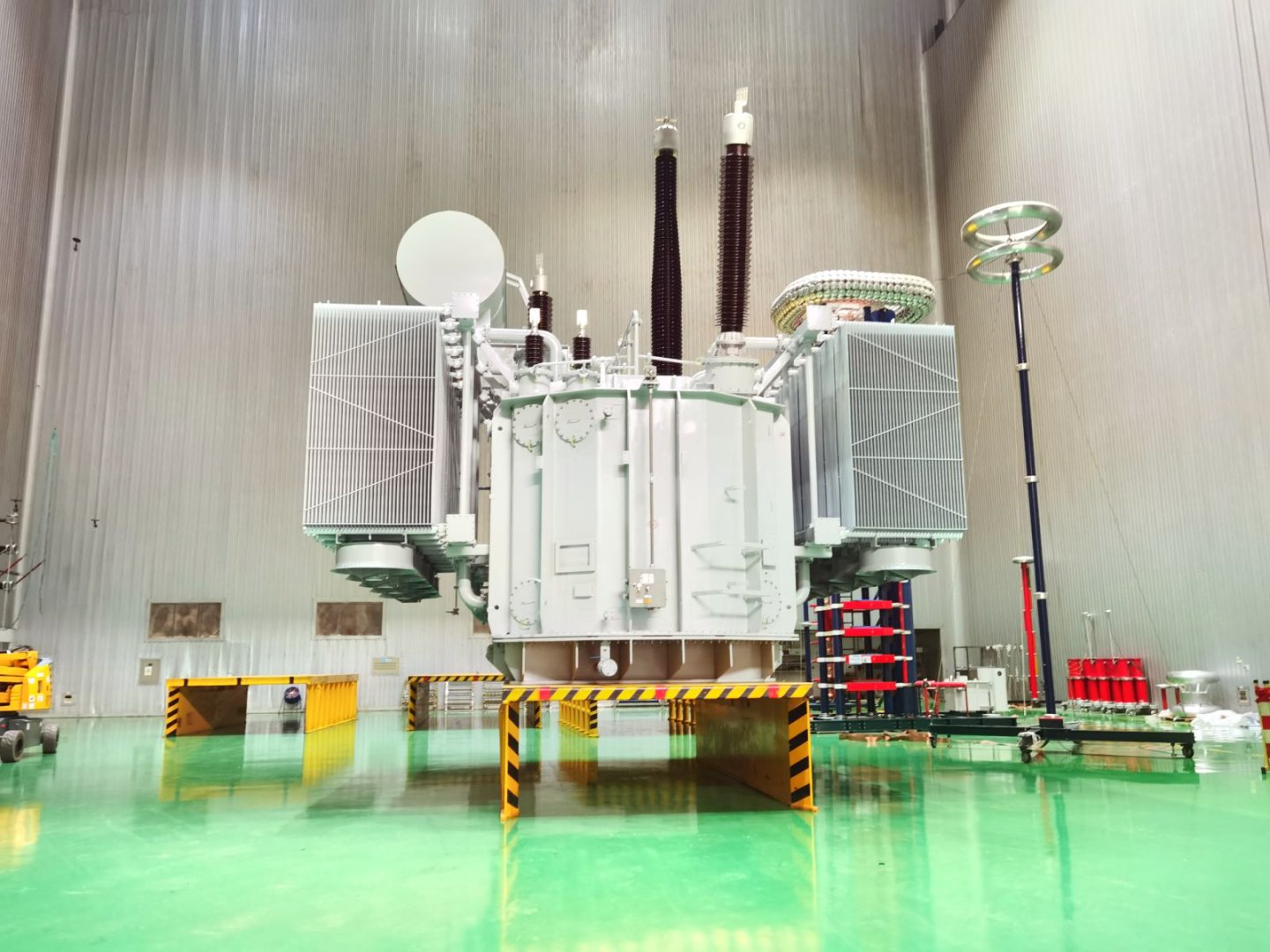
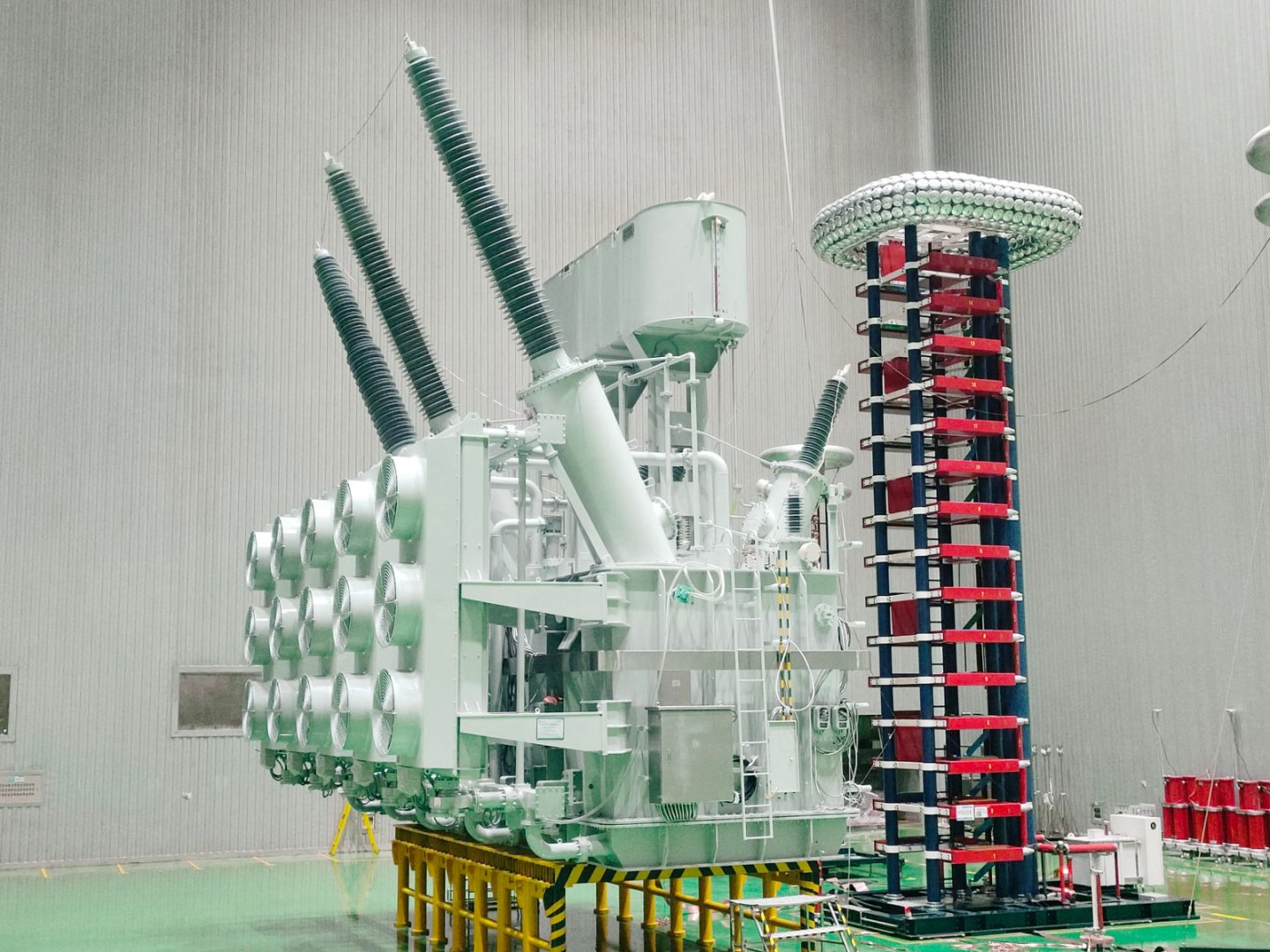
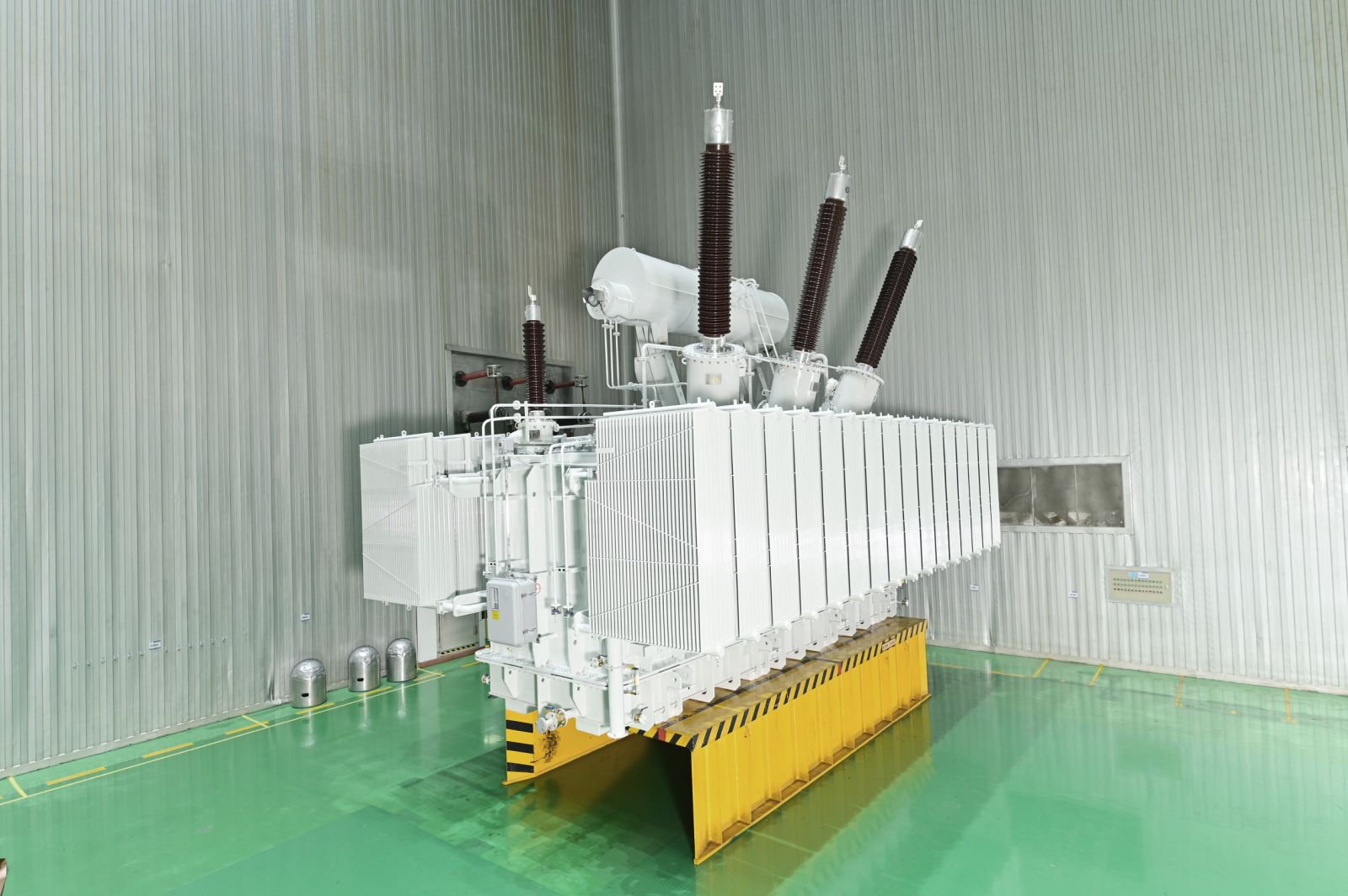
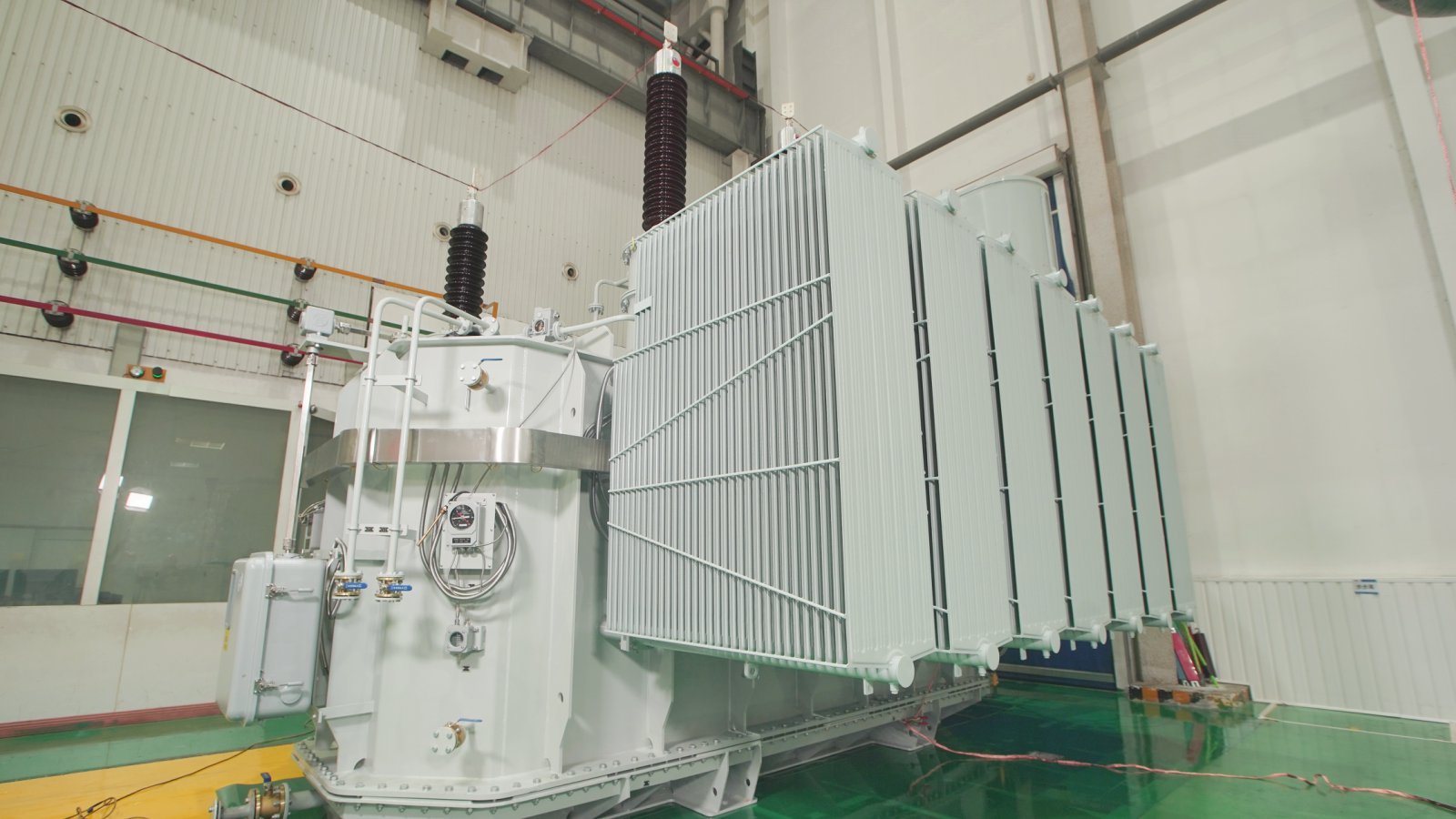
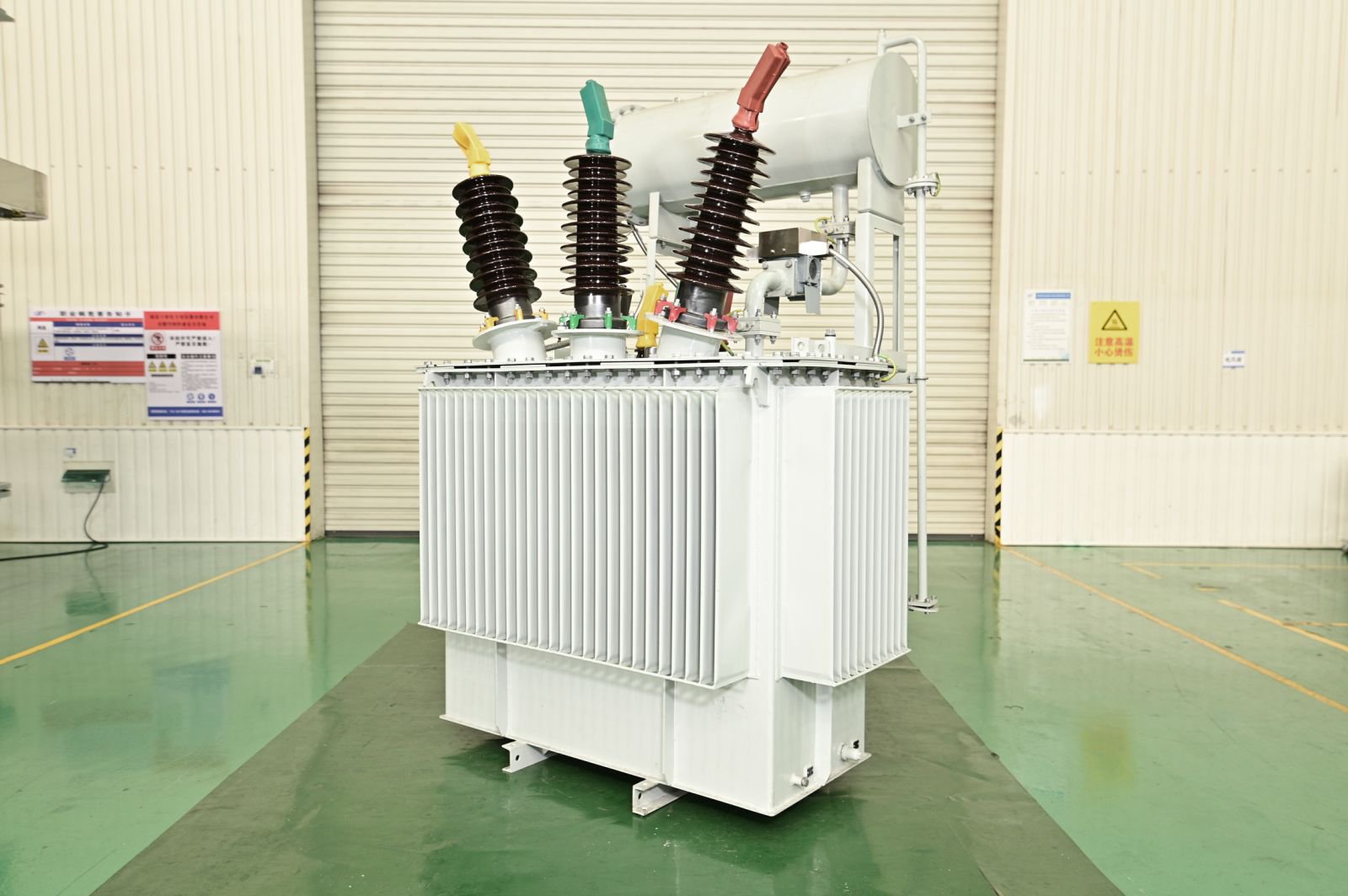

For utilities, EPC contractors, industrial plants and renewable energy developers, transformer delivery time can directly affect the entire project schedule.
A delayed power transformer may postpone substation energization, plant commissioning or grid connection even when most civil and electrical work has already been completed. This is why more buyers are searching for a short lead time power transformer rather than evaluating suppliers only by price.
However, faster delivery should never mean reducing essential engineering, manufacturing or testing procedures.
A reliable transformer manufacturer shortens delivery time by controlling the processes around production: standardized engineering, early material procurement, production scheduling, supplier management, parallel workflows and faster technical communication.
Here is how experienced manufacturers can reduce transformer lead time without compromising required quality.
Why Do Power Transformers Have Long Lead Times?
A power transformer is not an off-the-shelf electrical product.
Even transformers with similar voltage and MVA ratings may differ in:
● Voltage ratio
● Vector group
● Short-circuit impedance
● Tap range
● Cooling method
● Insulation level
● Guaranteed losses
● Temperature rise
● Bushings
● Protection devices
● Monitoring equipment
● Applicable IEC or IEEE/ANSI standards
● Environmental conditions
● Accessories and terminal arrangements
After receiving an order, the manufacturer may need to complete electrical calculations, mechanical design, drawing approval, material procurement, core and coil production, drying, tank assembly, oil filling, testing and packaging.
A delay at any stage can affect the final delivery date.
The real question is therefore not simply:
“How fast can you build a transformer?”
A better question is:
“How efficiently can you manage engineering, sourcing, manufacturing and testing from order confirmation to shipment?”
1. Standardized Transformer Platforms Reduce Engineering Time
One of the first opportunities to shorten delivery time appears before manufacturing begins.
If every transformer is engineered completely from scratch, considerable time may be required for:
● Electrical calculations
● Winding design
● Core optimization
● Mechanical structure design
● Accessory arrangement
● Drawing preparation
● Internal design review
Experienced manufacturers often develop standardized design platforms for frequently requested transformer ranges.
For example, commonly produced voltage and capacity combinations may already have mature core, winding, tank and cooling concepts.
The manufacturer can then customize only the parts required by the customer’s project.
This does not mean providing a generic transformer regardless of specification. It means avoiding unnecessary redesign when a proven engineering platform already meets most requirements.
For relatively standard projects, this can significantly reduce engineering preparation.
2. Complete RFQ Specifications Prevent Repeated Design Changes
Transformer manufacturers are not always responsible for long lead times.
Incomplete technical specifications from the buyer can also delay production.
A quotation request that only says:
“We need a 20 MVA transformer, please quote.”
is not sufficient for manufacturing.
The supplier may still need to confirm voltage ratio, frequency, impedance, vector group, cooling, tap range, insulation levels, standards and accessories.
Every additional clarification adds another communication cycle.
For faster delivery, buyers should provide as much information as possible during the RFQ stage, including:
● Rated capacity
● HV/LV voltage
● Frequency
● Number of phases
● Vector group
● Impedance
● Tap changer requirements
● Insulation level
● Cooling method
● Applicable standard
● Installation altitude
● Ambient temperature
● Required accessories
● Required tests
● Destination country
● Required delivery date
A complete specification allows engineering review to begin immediately.
3. Fast Drawing Approval Is Critical
For custom power transformers, manufacturing normally cannot fully proceed until important technical drawings have been approved.
These may include:
● General arrangement drawing
● Nameplate drawing
● Bushing arrangement
● Terminal configuration
● Foundation details
● Control cabinet arrangement
● Accessory list
If the buyer takes several weeks to approve drawings or repeatedly requests changes, the factory may lose its planned production slot.
This is one reason experienced EPC procurement teams assign both technical and commercial personnel to transformer projects early.
A short lead time transformer project requires fast communication from both sides.
Clear technical approval procedures can save time without changing the transformer itself.
4. Early Procurement of Long-Lead Materials
Certain transformer materials and components can create procurement bottlenecks.
Depending on transformer type and voltage class, these may include:
● Grain-oriented electrical steel
● Copper conductors
● Transformer insulation materials
● High-voltage bushings
● On-load tap changers
● Radiators
● Instrument transformers
● Monitoring devices
● Specialized protection accessories
If a manufacturer waits until every drawing is finalized before purchasing all materials, valuable production time may be lost.
A more efficient approach is to identify critical materials during the engineering stage and release approved long-lead items for procurement as early as possible.
This is particularly important for specialized bushings, tap changers and high-voltage accessories.
5. Strong Supplier Relationships Help Protect Delivery Schedules
Transformer production depends on more than the transformer factory itself.
External component suppliers also affect delivery.
A manufacturer with long-term relationships with qualified suppliers is generally better positioned to:
● Confirm component availability quickly
● Reserve production capacity
● Forecast material demand
● Find approved alternatives when necessary
● Maintain safety stock for commonly used components
● Respond to supply-chain disruptions
This is why buyers evaluating a fast delivery transformer manufacturer should look beyond factory size.
Supplier management is also part of manufacturing capability.
Ask potential suppliers how they manage critical purchased components and whether they have alternative qualified sources for important accessories.
6. Strategic Inventory Reduces Waiting Time
It is impossible to keep every possible transformer component in stock.
However, manufacturers producing transformers continuously can maintain inventories of commonly used materials.
These may include standard grades of:
● Electrical steel
● Copper
● Insulation materials
● Transformer oil
● Steel plate
● Standard fittings
● Valves
● Control components
● Fasteners and hardware
Maintaining appropriate material reserves allows production to begin earlier for standard or semi-customized transformer designs.
For urgent projects, material availability should therefore be discussed before placing the order.
A manufacturer with an available production slot but no critical materials may not actually be able to provide a short lead time.
7. Parallel Engineering and Procurement Save Calendar Time
Traditional sequential manufacturing might look like this:
Design → approval → procurement → production → testing → shipping.
For urgent projects, some activities can be performed in parallel.
For example:
● Preliminary electrical design can begin while commercial details are finalized.
● Long-lead materials can be reserved while final drawings are under review.
● Tank manufacturing can progress while certain accessories are being procured.
● Shipping planning can begin before factory testing is completed.
● Installation documentation can be prepared during production.
The important point is that parallel processing should only be used where technical risks are controlled.
Critical design interfaces still need approval before irreversible manufacturing steps begin.
8. Flexible Production Capacity Helps Handle Urgent Orders
Even a highly efficient engineering team cannot provide fast delivery if the factory is fully booked.
Transformer manufacturers therefore need effective production planning.
Important factory resources include:
● Core cutting lines
● Winding machines
● Coil assembly areas
● Vapor-phase or vacuum drying systems
● Tank fabrication capacity
● Final assembly bays
● Oil processing equipment
● High-voltage testing facilities
For urgent projects, manufacturers with sufficient capacity may be able to rearrange production schedules or allocate a dedicated manufacturing slot.
This is why buyers should ask a very practical question before ordering:
“When can our transformer actually enter production?”
A quoted manufacturing duration of four months is not the same as a four-month delivery if production cannot start for another six months.
9. In-House Manufacturing Can Reduce External Dependencies
Vertical integration can also influence lead time.
Manufacturers that perform more critical processes internally may have greater control over production schedules.
Depending on factory capabilities, these processes can include:
● Core cutting
● Coil winding
● Insulation processing
● Tank fabrication
● Surface treatment
● Assembly
● Drying
● Oil filling
● Electrical testing
Excessive outsourcing can create additional transportation, coordination and scheduling delays.
This does not mean every component must be manufactured internally. Bushings, tap changers and monitoring devices are commonly supplied by specialized manufacturers.
The key is whether the transformer supplier has control over the critical path.
10. Testing Capacity Is Often Overlooked
A transformer is not ready for shipment simply because assembly is complete.
Factory testing must still be performed according to the applicable standard and customer specification.
Depending on the transformer, testing may include:
● Winding resistance measurement
● Voltage ratio measurement
● Vector group verification
● Impedance measurement
● No-load loss measurement
● Load loss measurement
● Applied voltage tests
● Induced voltage tests
● Partial discharge measurement
● Lightning impulse testing
● Temperature-rise testing
● Sound-level testing
For larger or higher-voltage transformers, testing capacity can become a scheduling bottleneck.
A manufacturer may have several completed transformers waiting for the same test bay.
Therefore, buyers sourcing short lead time power transformers should ask whether the manufacturer has appropriate in-house testing facilities and how factory acceptance testing is scheduled.
11. Standard Accessories Can Shorten Delivery
Highly customized accessories can add significant lead time.
When project requirements allow, choosing commonly available components can accelerate delivery.
Examples include:
● Standard bushing configurations
● Common tap changer models
● Standard protection relays
● Standard temperature indicators
● Standard control cabinet layouts
● Common communication interfaces
Custom requirements are sometimes necessary, particularly for utility specifications.
But when the project has flexibility, unnecessary customization should be avoided.
Standardization improves not only delivery time but also spare-parts availability and long-term maintenance.
12. Logistics Planning Should Start Before Production Ends
Large power transformers can require complex transportation.
Depending on dimensions and weight, delivery may involve:
● Heavy-duty trucks
● Rail transport
● Sea freight
● Special trailers
● Port handling
● Route surveys
● Oversized cargo permits
● Crane planning
For international projects, waiting until the transformer is finished before arranging transportation can create unnecessary delays.
Experienced manufacturers start logistics planning earlier.
The supplier should confirm:
● Transport dimensions
● Shipping weight
● Port of loading
● Destination
● Route restrictions
● Required shipping configuration
● Whether bushings and radiators are shipped separately
● Export packing requirements
● Customs documentation
Early logistics preparation is especially important when the buyer has a fixed substation commissioning date.
Short Lead Time Does Not Mean Skipping Quality Control
An important distinction must be made between faster manufacturing and rushed manufacturing.
A reliable supplier should never shorten delivery by eliminating:
● Required drying procedures
● Electrical tests
● Insulation checks
● Oil treatment
● Dimensional inspection
● Leak testing
● Final quality inspection
These processes directly affect transformer reliability.
A credible manufacturer reduces delays between necessary operations rather than removing necessary operations.
When a supplier offers an unusually short delivery time, buyers should therefore ask how that delivery schedule will be achieved.
The answer should involve capacity, material availability and production planning—not reduced testing.
How Buyers Can Help Reduce Transformer Lead Time
Purchasers can also take practical steps to accelerate delivery.
Before placing the order:
● Prepare a complete technical specification.
● Identify mandatory and optional requirements.
● Confirm IEC or IEEE/ANSI standards.
● Set a realistic required delivery date.
● Clarify inspection requirements.
After placing the order:
● Review drawings quickly.
● Avoid unnecessary specification changes.
● Assign one technical contact.
● Confirm accessory brands early.
● Schedule FAT witnesses in advance.
● Provide shipping instructions before production completion.
Good project coordination can remove weeks of avoidable waiting.
Questions to Ask a Fast Delivery Transformer Manufacturer
Before choosing a supplier primarily because of delivery time, ask:
● What is the current production schedule?
● When can my transformer enter production?
● Are the main raw materials available?
● Which components have the longest procurement time?
● Are core and coil manufacturing performed in-house?
● Does the factory have its own high-voltage testing facilities?
● Which transformer designs are already standardized?
● How long is engineering drawing approval expected to take?
● Can long-lead components be ordered early?
● Which operations can run in parallel?
● What factory tests are included?
● When will transport planning begin?
These questions provide a much clearer picture than simply asking, “What is your lead time?”
Choosing the Right Short Lead Time Power Transformer Supplier
For urgent substations, industrial plants, renewable energy projects, data centers and grid expansion programs, delivery speed can become a critical procurement factor.
But the best short lead time power transformer manufacturer is not necessarily the company promising the fewest weeks on a quotation.
Look for a manufacturer that combines:
● Proven transformer designs
● Strong engineering capability
● Stable material supply
● Available manufacturing capacity
● Reliable component suppliers
● Efficient production scheduling
● Complete factory testing
● International logistics experience
● Fast technical communication
A realistic, transparent delivery schedule is more valuable than an aggressive promise that cannot be maintained.
Conclusion
Reducing power transformer lead time requires coordination across the entire manufacturing process.
Standardized engineering, complete RFQ information, early material procurement, parallel workflows, production capacity, supplier management, testing facilities and advance logistics planning can all shorten the time between purchase order and delivery.
For buyers, the most important principle is simple:
Short lead time should come from better manufacturing management—not from reducing transformer quality.
If your project has an urgent delivery requirement, provide the transformer manufacturer with the rated capacity, voltage ratio, impedance, tap range, cooling method, applicable standard, accessories, destination and required delivery date as early as possible.
This allows the manufacturer to evaluate material availability, production capacity and technical requirements before committing to a realistic delivery schedule.