

Choosing between an oil-immersed transformer and a dry-type transformer is not simply a matter of deciding which technology is better. The correct choice depends on voltage level, transformer capacity, installation location, fire-safety requirements, environmental conditions, maintenance resources and total lifecycle cost.
Both types perform the same fundamental function: converting voltage while transferring electrical energy between circuits. Their main difference is how the windings are insulated and cooled. A dry-type transformer uses solid insulation and air cooling, while an oil-immersed transformer places its core and windings in insulating liquid that provides both electrical insulation and heat dissipation.
What Is a Dry-Type Transformer?
A dry-type transformer does not use transformer oil as its primary insulation or cooling medium. Its windings are normally insulated with materials such as epoxy resin, polyester resin or other high-temperature solid insulation systems. Heat is transferred to the surrounding air through natural ventilation or forced-air fans.
Cast-resin transformers are among the most common dry-type designs. Because they contain no insulating oil, they reduce the risk of oil leakage and lower the liquid-related fire load. This makes them particularly suitable for indoor locations and areas where fire safety and environmental protection are important.
IEC 60076-11 covers dry-type power transformers with the highest equipment voltage up to and including 72.5kV, although the actual voltage and capacity available depend on the manufacturer’s design and the specific application.
What Is an Oil-Immersed Transformer?
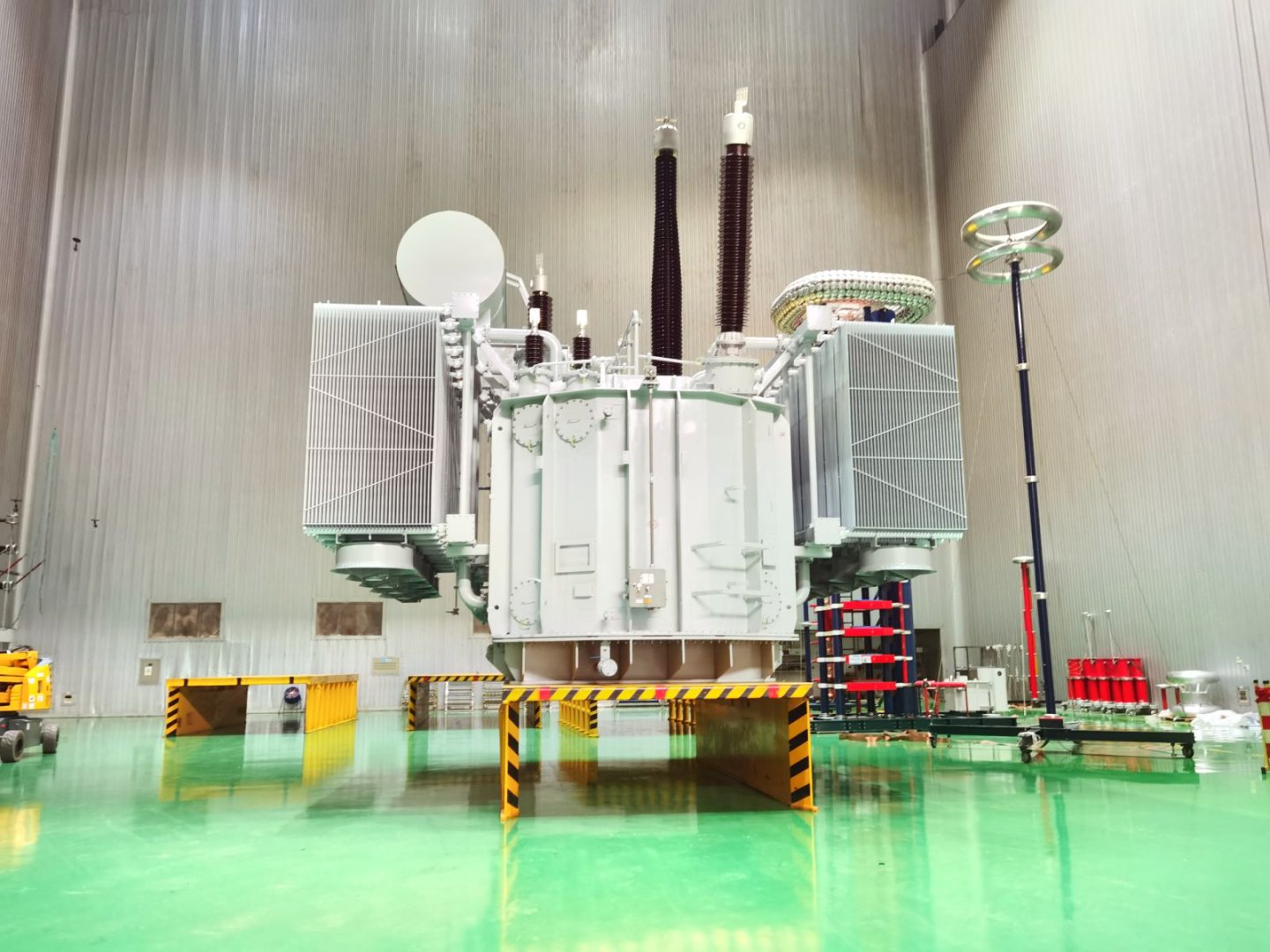
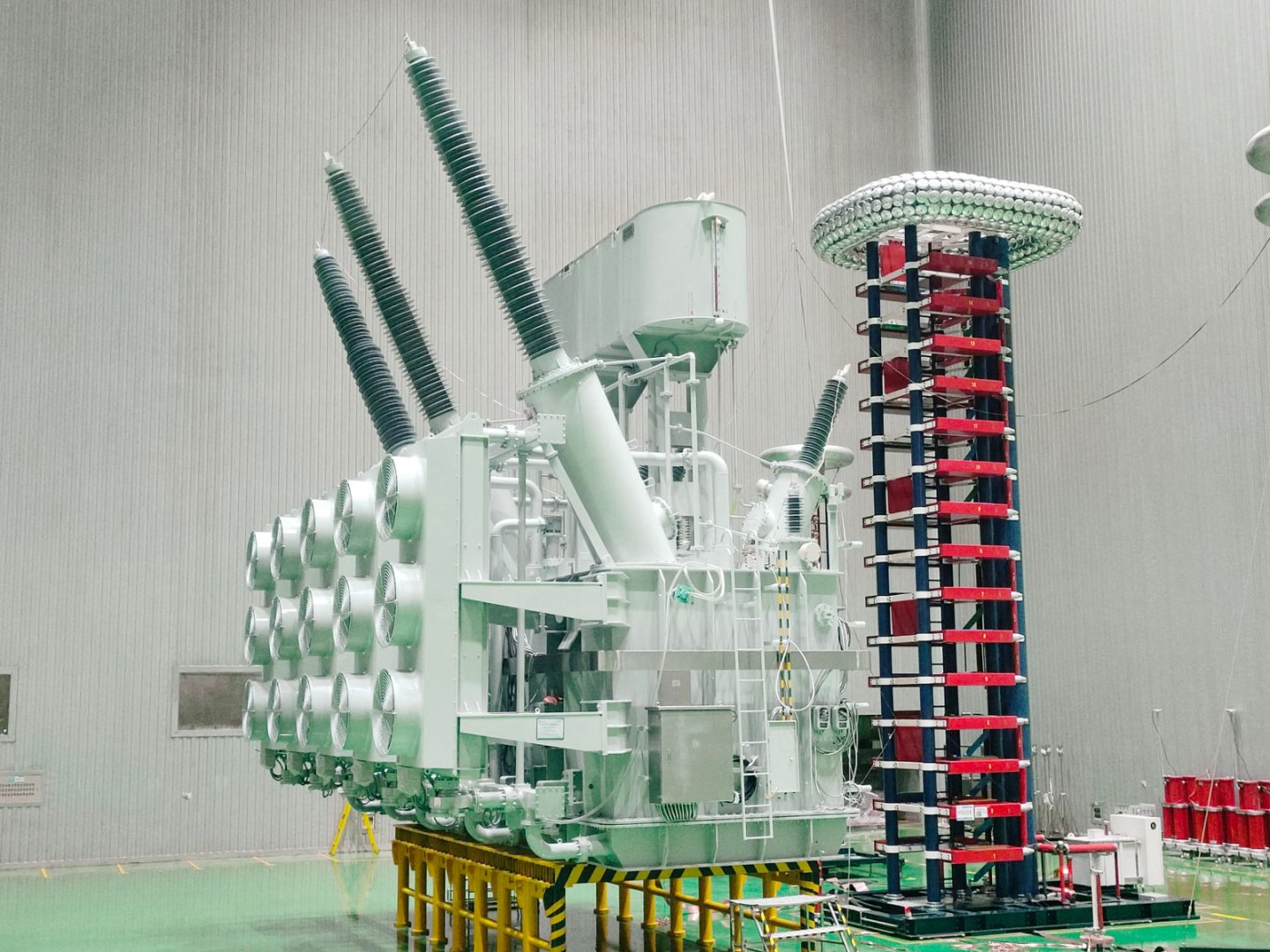
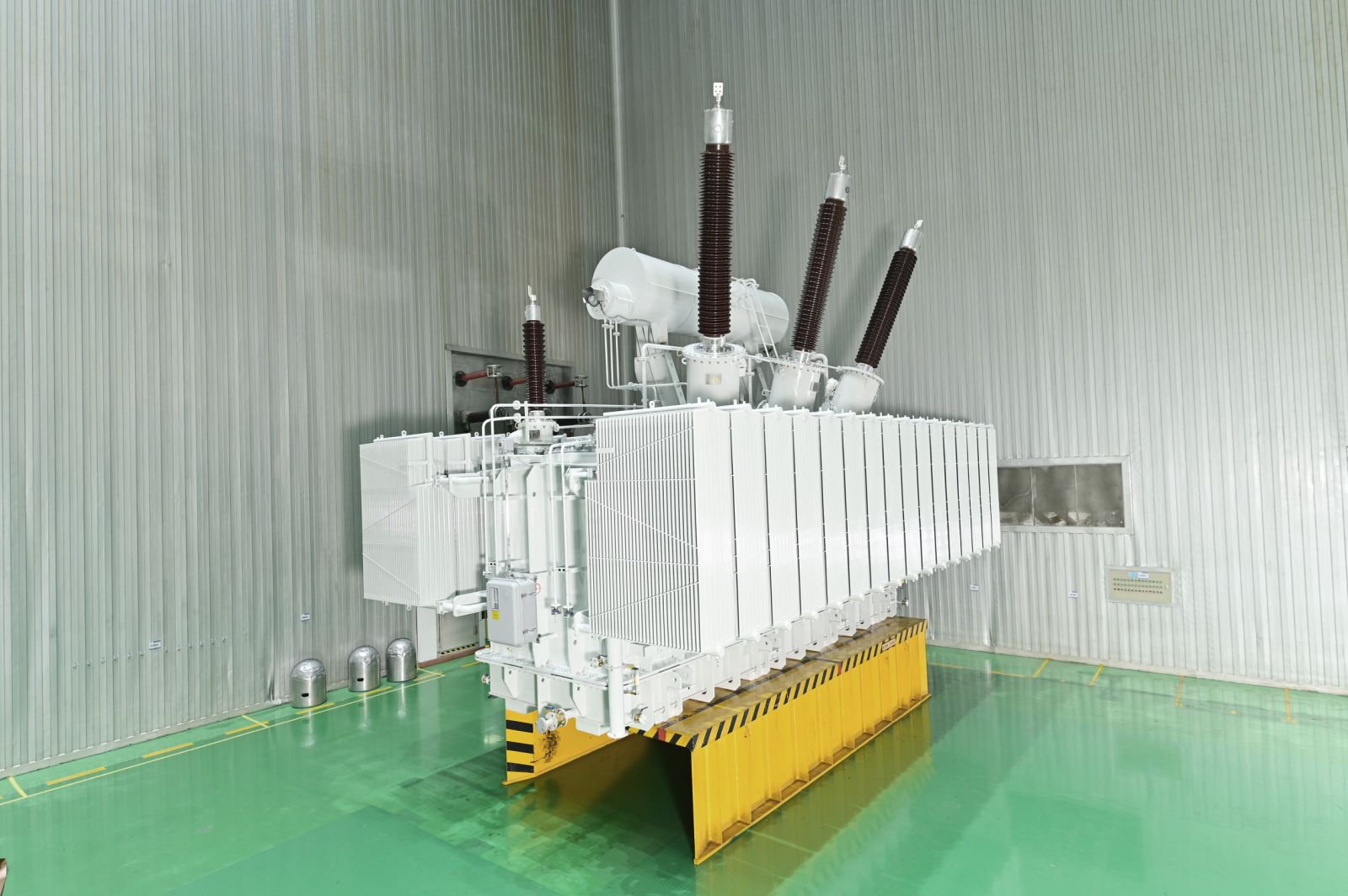
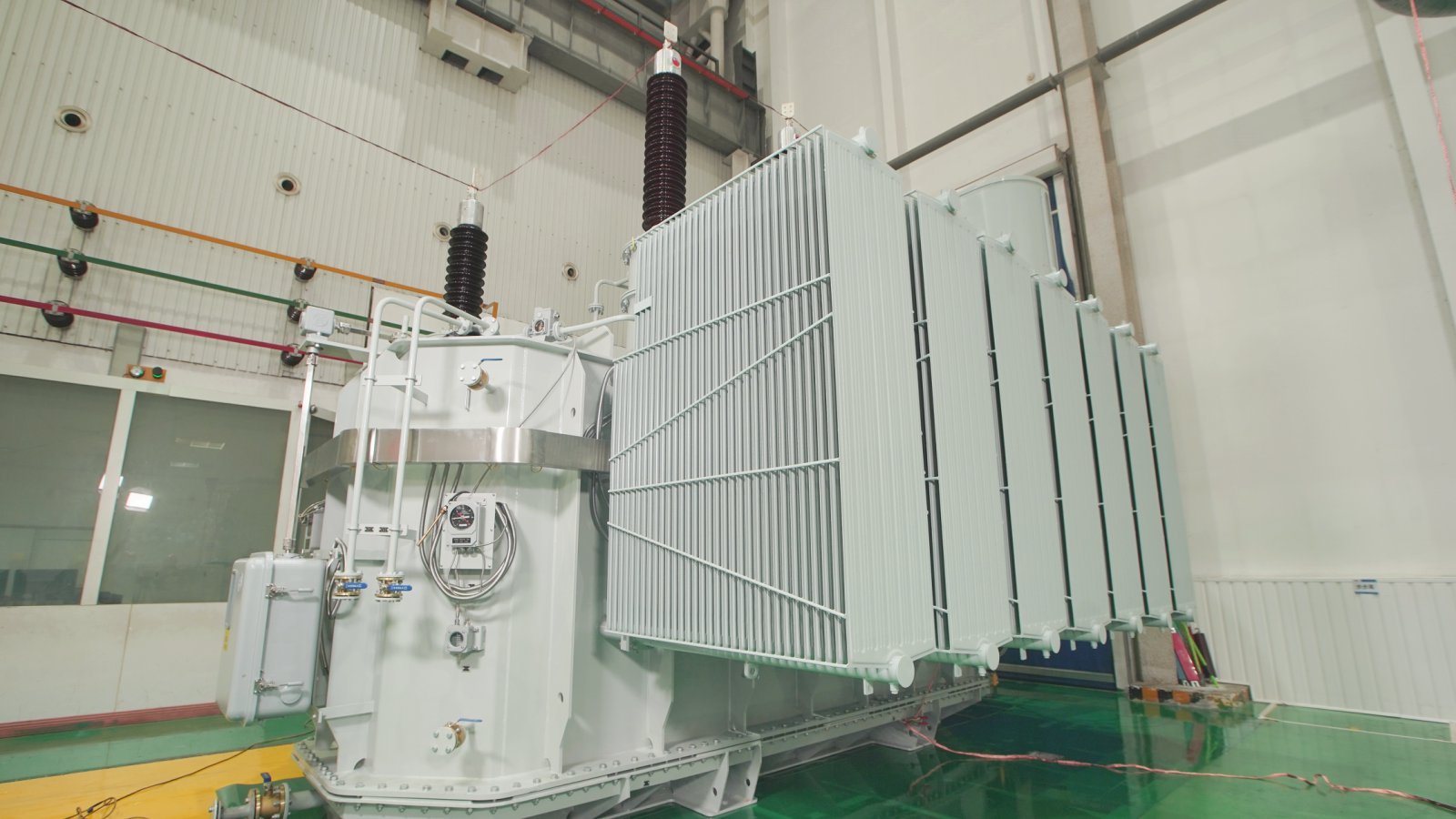
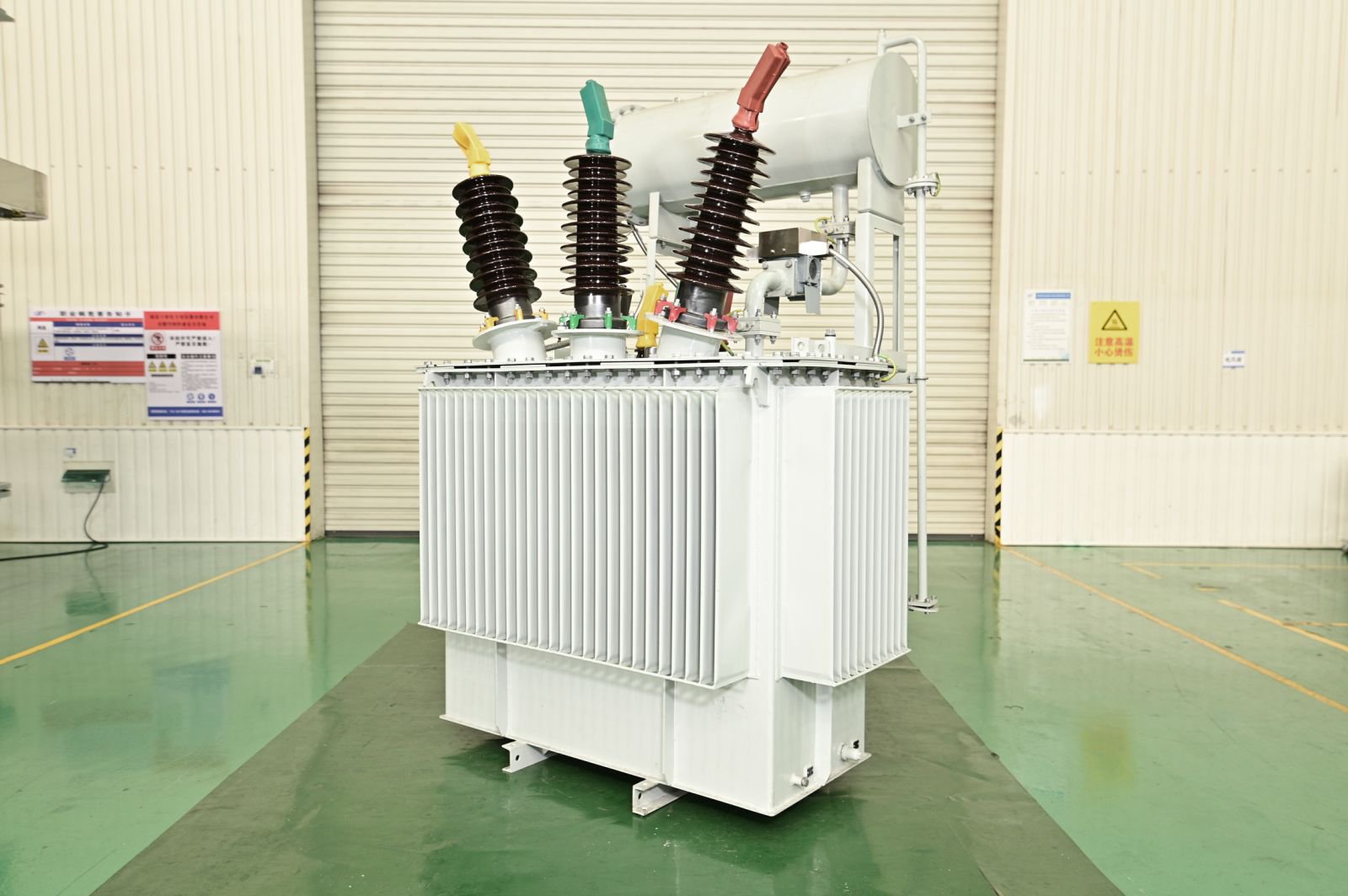
An oil-immersed transformer, also called an oil-filled transformer, has its core and windings immersed in insulating liquid. The liquid provides dielectric insulation and transfers heat from the active parts to the transformer tank, radiators and surrounding air.
Depending on the transformer rating, cooling may use natural oil circulation and natural air cooling, or it may add fans and pumps. Common cooling designations include ONAN and ONAF. Oil-immersed transformers are widely used in utility substations, power plants, transmission networks, renewable energy projects and large industrial power systems.
Oil-Immersed Transformer vs Dry-Type Transformer: Main Differences
| Comparison Factor | Dry-Type Transformer | Oil-Immersed Transformer |
|---|---|---|
| Main insulation | Solid insulation, commonly cast resin | Mineral oil, ester fluid or another insulating liquid |
| Cooling medium | Natural or forced air | Insulating liquid, usually combined with natural or forced air |
| Common installation | Indoor electrical rooms, commercial buildings, hospitals, data centers and industrial facilities | Outdoor substations, utility grids, power plants and high-capacity industrial projects |
| Typical voltage range | Commonly low- and medium-voltage systems | Medium-, high- and extra-high-voltage systems |
| Fire and spill considerations | No transformer-oil leakage risk and lower liquid fire load | Requires appropriate fire protection, oil containment and leak management |
| Routine maintenance | No oil sampling, but ventilation, dust, terminals, fans and temperature must be checked | Oil level, leakage, moisture, dielectric condition and dissolved gases may need monitoring |
| Thermal performance | Depends heavily on airflow and ambient temperature | Insulating liquid provides effective heat transfer |
| High-capacity suitability | Available for many distribution and industrial loads | Commonly preferred for large capacities and high-voltage transmission |
| Installation planning | Requires adequate ventilation and enclosure selection | May require bunding, fire separation, oil handling and additional civil works |
| Environmental concern | No insulating-liquid spill | Leakage must be controlled; alternative dielectric fluids may reduce environmental impact |
The exact weight, footprint, efficiency, price and sound level cannot be determined solely from the transformer type. These factors vary with voltage, capacity, conductor material, loss guarantees, enclosure, cooling system and accessories. Buyers should therefore compare confirmed technical data rather than relying on general assumptions.
1. Insulation and Cooling Performance
The most important technical difference is the insulation and cooling system.
A dry-type transformer uses solid insulation around its windings and dissipates heat through air. Natural-air cooling may be sufficient for standard loading, while forced-air fans can temporarily increase available capacity or improve thermal performance. The transformer room must have enough airflow to prevent hot air from recirculating around the unit.
An oil-immersed transformer transfers winding and core heat into the insulating liquid. The oil then circulates through the tank and radiators, allowing heat to escape to the surrounding air. Liquid cooling generally makes oil-immersed construction practical for larger capacities and higher voltage levels.
For either type, buyers should compare:
- Rated capacity under each cooling stage
- Maximum ambient temperature
- Winding temperature-rise limits
- Hot-spot temperature limits
- Overload requirements
- Fan or pump redundancy
- Installation altitude
A transformer that performs well at sea level may require derating or a modified cooling design at high altitude or in a high-temperature environment.
2. Fire Safety and Installation Location
Dry-type transformers are often selected for installations close to people, valuable equipment or occupied spaces because they do not contain a large volume of insulating oil. Common applications include hospitals, shopping centers, high-rise buildings, tunnels, airports, industrial workshops and data centers.
However, “dry type” does not mean that no fire-safety measures are required. The enclosure, cable connections, ventilation system, winding insulation class and local electrical regulations must still be considered.
Oil-immersed transformers can also be installed safely, but the project may require oil-containment systems, fire-resistant walls, separation distances, drainage systems, alarms or fire-suppression equipment. The requirements depend on the type and quantity of insulating liquid, transformer rating and local regulations. The absence of oil gives dry-type transformers an advantage where spill prevention and indoor fire risk are major priorities.
3. Voltage and Capacity Requirements
Dry-type transformers are commonly used for distribution and medium-voltage applications. They are suitable for supplying commercial buildings, industrial equipment, data centers, mines, rail systems and renewable energy facilities.
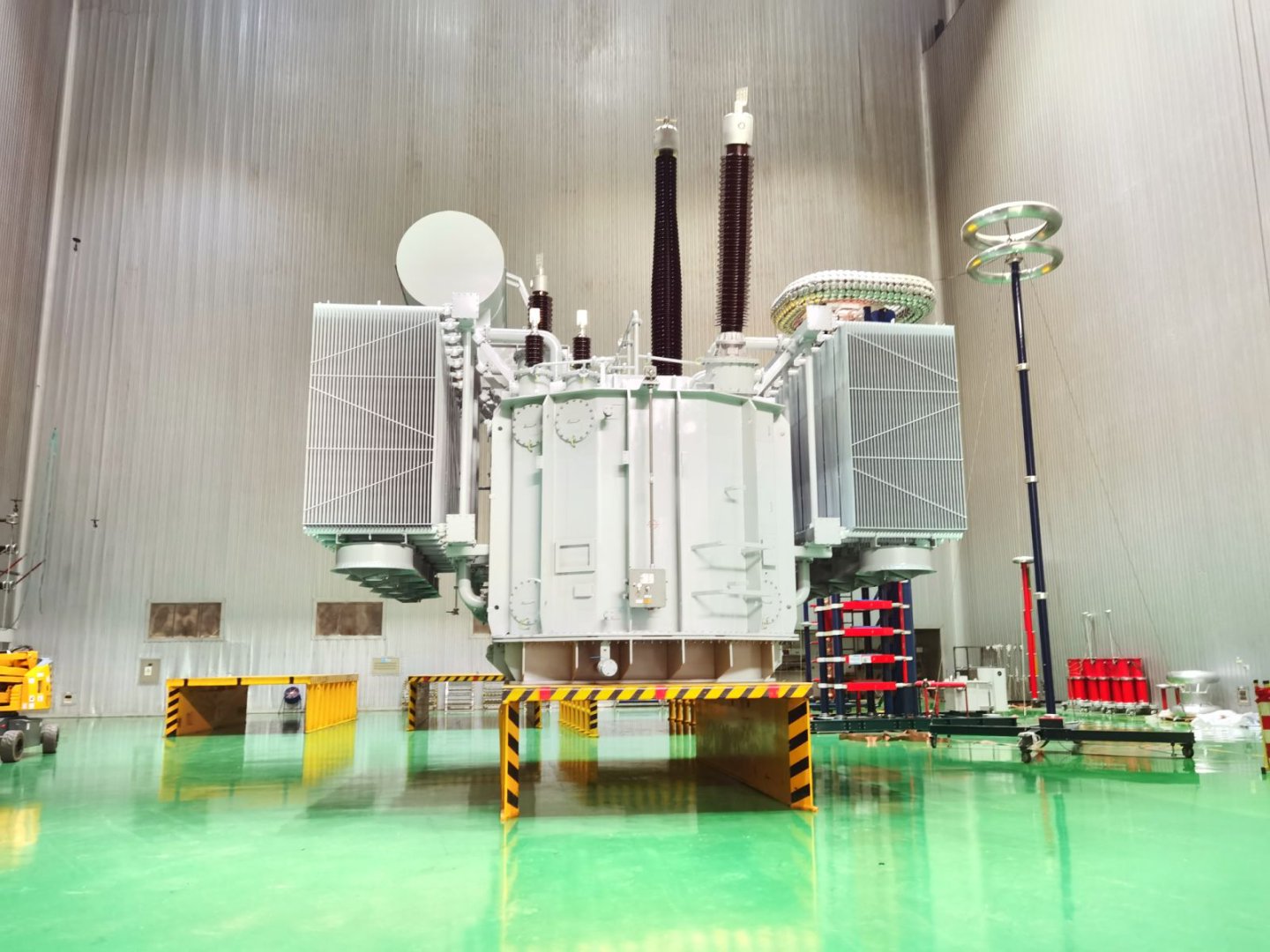
Oil-immersed transformers cover a wider range of large capacities and high-voltage systems. They are normally the more practical choice for utility substations, generation step-up applications, long-distance transmission and large industrial loads.
For example, a customer requiring an indoor 10kV/0.4kV distribution transformer may consider either technology. A project requiring a 220kV, 330kV or 500kV power transformer will normally use liquid-immersed construction because of the insulation and thermal demands involved.
The decision should therefore begin with:
- Primary and secondary voltage
- Rated capacity
- System frequency
- Load profile
- Short-circuit level
- Required impedance
- Indoor or outdoor installation
4. Maintenance Requirements
Dry-type transformers eliminate oil sampling, filtering and leak inspections, but they are not maintenance-free. Dust accumulation can restrict airflow and reduce heat dissipation. Ventilation openings, winding surfaces, terminals, temperature sensors and cooling fans should be inspected regularly.
In humid, dusty, chemically contaminated or coastal environments, buyers may need a suitable enclosure, anti-condensation heating, protective coating or cast-resin insulation with the appropriate environmental classification.
Oil-immersed transformer maintenance may include:
- Checking the transformer oil level
- Inspecting the tank, valves and gaskets for leaks
- Testing oil moisture and dielectric strength
- Dissolved gas analysis
- Inspecting bushings and cooling equipment
- Checking the conservator and breather
- Monitoring the on-load tap changer
Oil monitoring can also provide valuable information about internal thermal or electrical faults. Maintenance requirements should therefore be evaluated alongside the importance of the transformer and the operator’s condition-monitoring strategy.
5. Efficiency and Operating Cost
Oil-immersed transformers are often associated with effective cooling and high-capacity operation, but buyers should not assume that every oil transformer is more efficient than every dry-type transformer. Modern low-loss designs are available in both categories, and actual performance depends on the core material, conductor design, rated load and specified loss limits. ABB, for example, has developed high-efficiency dry-type designs that can compete with liquid-immersed units under particular load profiles.
When comparing quotations, ask the supplier to state:
- Guaranteed no-load loss
- Guaranteed load loss at the specified temperature
- Auxiliary fan and pump consumption
- Expected average loading
- Annual operating hours
- Applicable energy-efficiency standard
A transformer with a lower purchase price may cost more over its service life if its electrical losses are higher. For continuously loaded industrial plants, data centers and renewable energy projects, lifecycle loss evaluation can be more important than the initial price difference.
6. Initial Cost and Total Project Cost
The transformer purchase price is only one part of the project budget.
A dry-type transformer may have a higher equipment cost for a comparable rating, but it can reduce expenses related to oil containment, liquid handling and some fire-protection systems. An oil-immersed transformer may offer a competitive equipment cost and better suitability for high-capacity applications, but civil works and environmental protection requirements can increase installation costs.
A complete cost comparison should include:
- Transformer purchase price
- Electrical losses
- Enclosure and ventilation
- Cooling-system power
- Fire protection
- Oil-containment construction
- Inspection and maintenance
- Spare parts
- Expected operating life
- End-of-life handling
Therefore, there is no universal answer to which transformer is cheaper. The correct comparison is based on the complete installed and operating cost for the specific project.
When Should You Choose a Dry-Type Transformer?
A dry-type transformer is usually a strong option when:
- The transformer will be installed inside a building
- Fire safety is a primary concern
- Oil leakage cannot be accepted
- The unit is close to personnel or sensitive equipment
- The required voltage and capacity fall within practical dry-type ranges
- The site can provide controlled ventilation
- Reduced liquid-related maintenance is preferred
Typical applications include hospitals, schools, office buildings, airports, tunnels, data centers, factories and indoor substations.
When Should You Choose an Oil-Immersed Transformer?
An oil-immersed transformer is generally suitable when:
- The project requires high voltage or large capacity
- The transformer will be installed outdoors
- High thermal performance is required
- The unit serves a utility grid or transmission substation
- The project can provide oil containment and fire protection
- Regular oil monitoring and maintenance are available
- Compact active-part design and high power density are priorities
Typical applications include power plants, utility substations, solar and wind farms, energy storage projects, steel plants, mining sites and other heavy industrial facilities.
Conclusion: Which Transformer Is Better?
In the oil-immersed transformer vs dry-type transformer comparison, neither design is automatically superior.
A dry-type transformer is often preferred for indoor installations where fire safety, environmental protection and the absence of insulating liquid are important. An oil-immersed transformer is commonly selected for outdoor substations, high-capacity loads and high-voltage transmission because liquid insulation provides effective cooling and dielectric performance.
The best solution should be based on the project’s voltage, capacity, load profile, installation environment, safety requirements, operating cost and maintenance capability.
Custom Oil-Immersed and Dry-Type Transformers from Liye
Liye provides customized oil-immersed transformers and dry-type transformers according to each customer’s electrical system and operating conditions. Available customization can cover rated capacity, voltage ratio, winding configuration, impedance, cooling method, insulation system, enclosure, loss limits, noise requirements, monitoring devices and applicable standards.
Liye’s transformer services cover R&D, customized manufacturing, technical support and after-sales service, while its production capabilities include dry-type solutions and transformer manufacturing facilities for units up to high and extra-high voltage levels.
Send Liye your transformer specification, single-line diagram or project requirements. The engineering team will evaluate whether an oil-immersed transformer or dry-type transformer is more suitable and provide a customized technical proposal and quotation.